
Boca Grande on Gasparilla Island, Florida has a small, low-rise village core with a limited number of restaurants — a mix of casual counter-service spots, a few sit-down places, and a historic hotel dining scene at the Gasparilla Inn. Because the island is small and the population swells in the winter season, sit-down dinner tables can be hard to get without a reservation, and some businesses reduce hours or close entirely in the slow late-summer months. Families generally do best by eating a relaxed sit-down meal at lunch or early evening, keeping beach days stocked from the island grocery, and saving ice cream for the walk back through the village.
The first thing to understand about eating in Boca Grande is that there isn't much of it — and that's the whole point. Gasparilla Island has no high-rises, no chain-restaurant strip, and no franchise signage lining the road in. What it has is a compact historic village where you can park once and walk to nearly everything that serves food.
We've been hosting guests along this stretch of coast for eighteen years, and the dining question comes up more than almost any other. Not because the food is complicated, but because families arrive expecting the usual American beach-town abundance and find something smaller and older instead. Here's how to work with that rather than against it.
What Dining Here Is Actually Like
Boca Grande's village sits along a few short blocks near the old railroad depot. Restaurants are housed in low buildings — converted cottages, a historic depot structure, storefronts with awnings — not purpose-built dining boxes with parking lots. Interiors tend to be small. Outdoor seating is common and often the better choice with kids, because a fussy toddler on a porch is a very different experience than a fussy toddler in a twelve-table dining room.
The other defining trait is seasonality. Boca Grande has a pronounced winter season when part-time residents and visitors fill the island, and a much quieter stretch in late summer and early fall. Some kitchens shorten their hours or close for a period during the slow months. This is normal for the island and not a sign that a place has gone under — but it does mean you should never drive across the causeway assuming a specific restaurant is open.
On a small island, the best dining plan is a flexible one — pick a direction, not a destination.
Casual vs. Sit-Down: How to Split Your Days
Broadly, the island's food falls into two camps. On the casual side you'll find counter-service and grab-and-go options — sandwiches, baked goods, coffee, breakfast items, things you can carry out to a bench or back to the beach. On the sit-down side there are a handful of full-service restaurants plus the dining rooms associated with the historic Gasparilla Inn.
The pattern that works best for families is one sit-down meal per day, maximum, and preferably at lunch or early dinner. Kids who've been in the sun and salt since morning are not at their best at eight in the evening, and neither are their parents. Build the day around beach and bike time, then eat properly while everyone still has patience left.
- Breakfast: coffee and something baked from a village counter, eaten outside — fastest way to get to the beach.
- Lunch: either a packed cooler at the beach or a casual counter-service stop in the village.
- Dinner: one sit-down meal, on the earlier side, with a reservation if it's high season.
- Backup: keep the rental kitchen stocked so a closed restaurant is an inconvenience, not a crisis.
Beach-Day Food and the Cooler Strategy
Gasparilla Island's beaches are the reason most families come, and the beach access points are not lined with concessions. Plan to bring your own food and water. A cooler packed in the morning covers you for the whole stretch of the day and removes the mid-afternoon scramble that otherwise ends with everyone hungry, sunburned, and negotiating in a parking lot.
Pack simple: fruit that survives heat, sandwiches wrapped tightly, more water than you think you need, and something salty. If you're spending the day at the state park end of the island — worth doing, and covered in our Gasparilla Island State Park visit guide — you're a fair distance from the village, so under-packing means a real drive back. Staying in a house on the island itself makes this much easier; guests at Seaside Boca can build the cooler in the kitchen, walk out, and come back to rinse off without ever repacking the car.
Ice Cream, and Why It's a Ritual Here
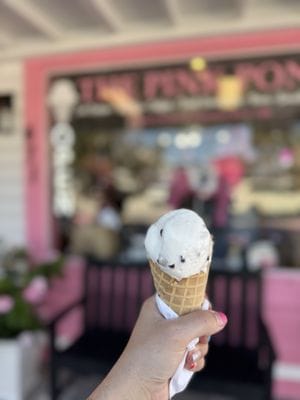
Ice cream in Boca Grande isn't a snack, it's the transition between the beach part of the day and the rest of it. The village is walkable and shaded in places by old banyans and palms, so the standard move is: shower off, walk or bike into the village in the late afternoon, get cones, and let the kids run around the green space while the adults sit down for ten minutes.
Practical notes from years of doing this with our own family: bring cash as a backup, expect a line during peak winter weeks, and eat it outside. Melted ice cream inside a rental car in Florida heat is a lesson you only need once.
Reservations: How Seriously to Take Them
In the height of winter season, the island's small number of tables meets a large number of visitors, and the arithmetic is not in your favor. If you want a specific sit-down restaurant on a specific night, call ahead — ideally days ahead, not hours. Weekend evenings and holiday weeks are the tightest.
- Call the restaurant directly rather than relying only on a booking app — several island places handle reservations by phone.
- Ask specifically whether they seat children and whether there's outdoor seating; both matter more here than at a mainland restaurant.
- Ask about dress expectations before you go. Some of the historic properties on the island are more formal than a beach town would suggest.
- Book the earliest seating you're offered. Earlier tables are easier to get and better for kids.
- Confirm the day of. Small kitchens on small islands adjust.
In the quieter months the pressure largely disappears — but so do some of the options, because that's when closures happen. Our post on Boca Grande in winter and the quiet months gets into how the island's rhythm shifts across the year, which is really the same rhythm the restaurants follow.
The Gasparilla Inn and the Pink Pony Context
You can't talk about dining on this island without the Gasparilla Inn. It's a historic hotel dating to the early twentieth century, built in the era when Boca Grande was reached primarily by rail, and it remains the anchor of the village's social and dining life. Its architecture — white clapboard, yellow accents, deep porches — set the visual tone that much of the island still follows.
The Pink Pony is part of that same Boca Grande vocabulary, a name longtime visitors will recognize immediately and one that's tied to the island's beach-club and hotel tradition rather than to any modern restaurant group. Understanding this context helps as a visitor, because it explains why dining here can feel more formal and more club-oriented than the average Gulf beach town: some of the island's food scene grew out of a private-hotel tradition, not a tourist-corridor one.
For families, the practical takeaway is to check access and dress policies before you plan an evening around any of the historic properties — some dining rooms have seasonal operations or guest-priority policies. If you're building a full itinerary, our broader Boca Grande family guide to Gasparilla Island covers how the village, the beaches, and the bike path fit together across a week.
Eating Well With Picky Kids on a Small Island
Small islands have small menus. If you're traveling with a child who eats four foods, the honest advice is to stock the rental kitchen on the way in — either at the island's grocery or, better, at a full-size supermarket on the mainland before you cross the causeway. Prices and selection on a barrier island are what you'd expect from a barrier island.
The upside of this constraint is real, though. A rental with a kitchen turns dining from a nightly logistics problem into a choice. You eat out when you want the experience, and you eat in when the day already gave you everything it had. Over eighteen years of hosting, the families who report the best trips are almost always the ones who cooked at least half their meals and treated restaurant nights as an event.
Boca Grande Family Dining: Common Questions
Do I need reservations to eat in Boca Grande?
During the busy winter season, yes — for any sit-down dinner you actually care about. The island has a small number of restaurants and tables, so weekend and holiday evenings fill up. In the quieter summer and early-fall months reservations matter far less, but more places may be closed or on reduced hours.
Is Boca Grande family-friendly for dining?
Yes, though it's a different feel than a typical Gulf beach town. There are casual counter-service and grab-and-go options that suit kids well, and outdoor seating is common. Some of the historic hotel dining rooms are more formal, so it's worth asking about dress and children before booking one.
Are there restaurants right on the beach?
The beach access points on Gasparilla Island are largely undeveloped, without the concession stands and beachfront bars you'd find on busier Florida coasts. Plan to pack a cooler for beach days and eat in the village before or after.
What is the Gasparilla Inn?
It's the historic hotel at the heart of Boca Grande village, dating to the early twentieth century when the island was primarily reached by rail. It anchors the island's dining and social life, and its white-clapboard architecture heavily influenced the look of the surrounding village.
Should I grocery shop before crossing to the island?
It's a good idea. There is a grocery option on the island, but selection and pricing reflect barrier-island logistics. Families with specific dietary needs or picky eaters generally do better stocking up at a full-size mainland supermarket on the drive in.
When is the quietest time to eat out in Boca Grande?
Late summer and early fall are the island's slow stretch — the fewest crowds and the easiest tables. The tradeoff is that some restaurants reduce hours or close entirely during that period, so confirm directly before making plans.

Travel DRD - Free Land Vacations — IATA certified, IATAN and ASTA members, hosting families since 2007. We manage every home in this collection ourselves.
Last updated: August 1, 2026