
Families can fish from shore around Gasparilla Island without a boat, using beach access points, the causeway area, and passes along the island. Florida residents and visitors age 16 and older generally need a Florida saltwater fishing license, while children under 16 do not; shore-based anglers should check the FWC's current shoreline license rules. Simple spinning gear, small hooks, and shrimp catch most nearshore species. Whiting, catfish, snook, jack crevalle, sheepshead, and small snapper are common depending on the season.
After eighteen years of hosting families on this coast, we can tell you the fishing question almost always arrives the same way: a parent stands in the kitchen the first morning, coffee in hand, and asks whether the kids can catch something without booking a boat. The answer is yes — and honestly, for children under about ten, shore fishing usually beats a charter. Nobody gets seasick, snack breaks are free, and you can quit the moment attention runs out.
This is the practical version of what we tell guests in person. No secret spots that don't exist, no gear you don't need. Just where to stand, what to put on the hook, and what's realistically biting when you visit.
Where can you fish from shore around Gasparilla Island?
Gasparilla Island is narrow, which is the whole advantage: you're never far from water on either side. The Gulf beaches run the western edge, and the bay and pass side sits a few blocks east. That means you can pick your conditions instead of accepting them.
- Gulf beach access points — the gentlest introduction. Sandy bottom, no snags, and kids can fish for twenty minutes and then go build in the sand. Best on calm mornings.
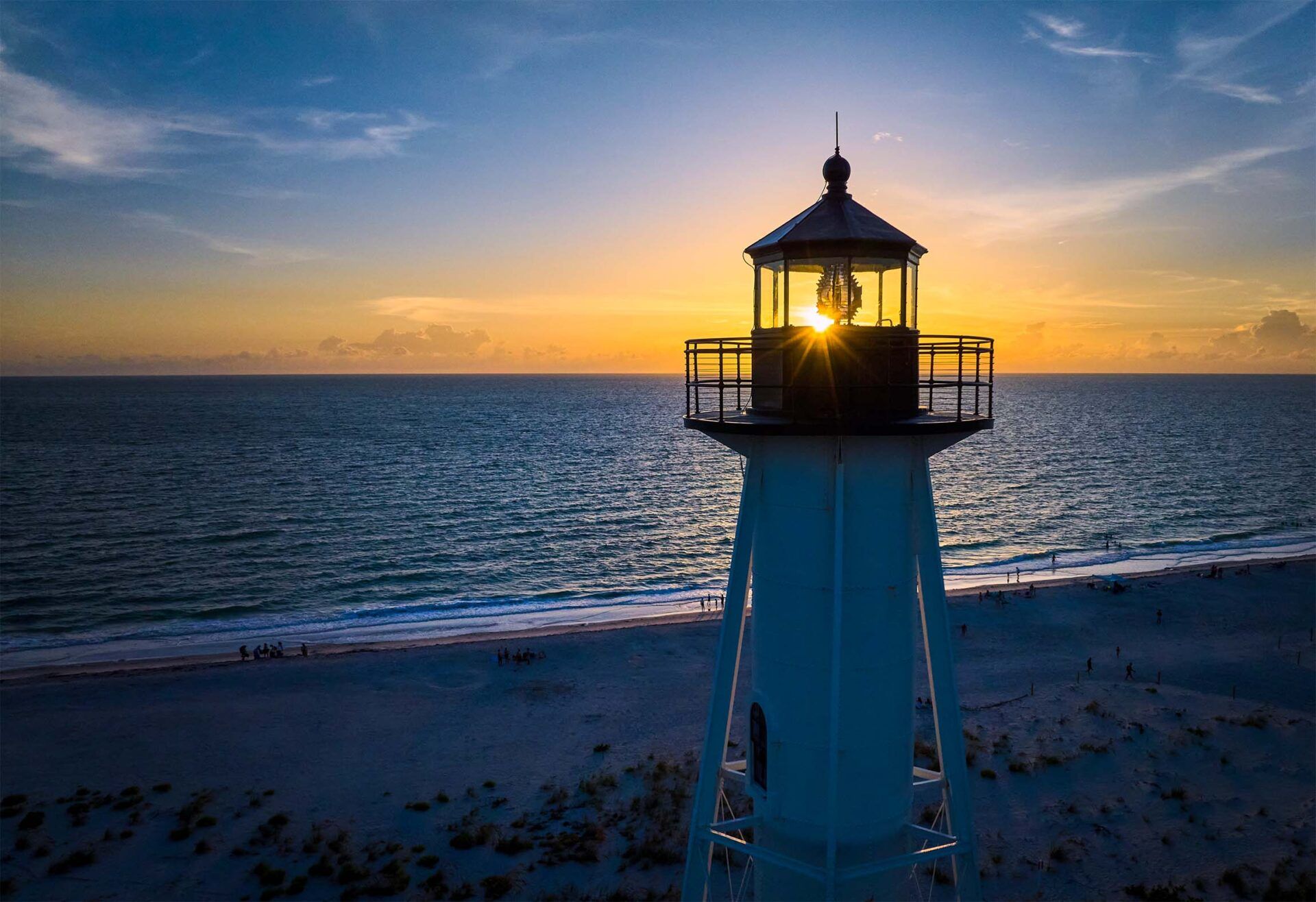
- The pass side near the lighthouse end — deeper, faster water and bigger fish, but current and structure eat tackle. Good for older kids with an adult holding the rod.
- Bayside and causeway-area shorelines — the most forgiving for beginners. Calmer water, docks and pilings nearby, and steady small-fish action that keeps children engaged.
- Public piers and fishing platforms in the wider Boca Grande and Placida area — railings, shade, and often a bathroom within walking distance, which matters more than any of us admit.
If you're staying on the island, walking to the water beats driving to it. Guests at Seaside Boca often make a habit of a short pre-breakfast walk with two rods and a bucket, then come back for the rest of the day. For a broader look at the island's park and beach access, our Gasparilla Island State Park guide covers parking, facilities, and what to expect at each end.
Do kids need a Florida fishing license?
Here's the part people get wrong most often. In Florida, residents and visitors under 16 years old do not need a recreational fishing license. Adults 16 and older generally do need a saltwater license to fish in salt water, including from shore, though Florida has a specific shoreline-fishing license category for residents and certain exemptions that change from time to time.
Licenses can be purchased online through the Florida Fish and Wildlife Conservation Commission, at tax collector offices, and at many bait and tackle shops. Buying at a local shop is worth the extra minute — that's also where you hear what's actually biting that week, which no website will tell you accurately.
Two more rules that matter to families: size and bag limits apply to a child's fish exactly as they do to an adult's, and some species are catch-and-release only or closed during certain months. Look up the species before you keep anything. The FWC publishes current regulations, and a quick check on your phone at the water takes less time than explaining a citation later.
What gear actually works for children?
Resist the urge to buy your child a serious rod. A light spinning combo in the six-foot range with 10- to 15-pound line handles nearly everything a beginner will hook from shore here, and it's short enough that a seven-year-old can cast without spearing a sibling.
- A light spinning rod and reel, pre-spooled. Buy it assembled — untangling a fresh spool on the beach is not the memory you want.
- Small hooks. Circle hooks in modest sizes are ideal: fish tend to hook themselves in the corner of the mouth, which means fewer deep hooks and easier releases.
- Split-shot weights and a few small egg sinkers for when the current picks up.
- A short length of heavier leader line, which saves you from losing rigs to sharp mouths and pilings.
- Long-nose pliers for hook removal, and a rag or gripping glove. Some of these fish have spines.
- A five-gallon bucket. It carries gear, holds fish briefly, doubles as a seat, and becomes a shell hauler on the walk home.
Skip the tackle box full of lures at first. Children lose interest in casting artificial baits long before the technique starts working. Bait sitting on the bottom catches fish while your child is looking at a pelican, and that is exactly the point.
The best rod for a child is the one they can cast without help and set down without guilt.
What bait should you use?
Shrimp. If you remember one word from this article, that's it. Fresh dead shrimp from a bait shop will catch more species along this coast than anything else a beginner can buy, and it doesn't require a cast net, an aerator, or a skill your child doesn't have yet.
Cut a shrimp into small pieces rather than threading a whole one on the hook. Smaller bait means more bites, and more bites is the entire currency of fishing with children. Sand fleas dug from the wet sand on the Gulf beaches work well for pompano and whiting, and digging for them is genuinely half the fun — many kids will spend longer on that than on the fishing itself.
Live shrimp is a step up if you're targeting snook or bigger fish on the pass side, but it costs more and dies fast in a warm bucket. For a first outing, dead shrimp on ice is the honest recommendation.
What are you likely to catch, and when?
Southwest Florida doesn't have hard seasons so much as gradual shifts. Water temperature drives most of it. Here's the general pattern we've watched over the years — treat it as a tendency, not a promise.
| Season | Common shore catches | Notes for families |
|---|---|---|
| Winter | Sheepshead, whiting, black drum | Cooler water, calmer beaches, fewer crowds. Sheepshead hang near pilings and structure. |
| Spring | Whiting, pompano, jack crevalle, snook warming up | Sand fleas shine here. Windy afternoons are common — fish early. |
| Summer | Snook, mangrove snapper, catfish, small sharks | Fish at first light or evening. Midday heat is the real limiting factor, not the fish. |
| Fall | Redfish, snapper, jacks, whiting | Often the most consistent all-around shore fishing of the year. |
Two species you will certainly meet regardless of season: hardhead catfish and pinfish. Neither is a prize, both have spines, and both count as a real fish to a six-year-old. Let them. The first fish a child catches is never the one you planned.
And yes, this island is famous for something much larger. If your older kids are asking about the giants rolling in the pass in late spring and early summer, that's a different trip entirely — read our guide to tarpon fishing in Boca Grande Pass before you book anything.
When should you go, and how long should you stay?
Moving water beats slack water almost every time. An hour or two on either side of a tide change is the practical window, and free tide charts for the area will tell you when that falls. Combine that with early morning and you've stacked the two things you can control.
Plan for ninety minutes, not a day. Bring water, sunscreen, and more snacks than seems reasonable. Fishing with young children is a short, successful outing repeated often — not one long endurance test. Leave while they still want to stay and they'll ask to go again tomorrow.
If your group includes toddlers who are along for the ride rather than the fishing, our slow-paced playbook for toddlers and preschoolers pairs well with a shore fishing morning — one parent holds a rod, the other works the shoreline for shells.
What should parents know about safety and courtesy?
- Sun first. Shade is scarce on open beach and reflected light off the water burns faster than parents expect. Hats, long sleeves, and reapplied sunscreen.
- Watch the barb. Most fishing injuries with children involve a hook and a distracted moment. Teach a wide casting arc and keep everyone behind the caster.
- Handle fish wet-handed and briefly. If you're releasing, keep the fish in the water when you can and get the hook out quickly.
- Never leave line, hooks, or leader on the beach. Discarded monofilament is a genuine hazard to shorebirds and turtles, and this stretch of coast is nesting habitat.
- Give other anglers room, and give wildlife much more. Do not feed pelicans — a bird that learns to beg around fishing lines usually ends up tangled in one.
- Respect posted nesting areas and marked dune crossings, especially in the warmer months.
One more: keep bare feet out of the water where you've been cleaning bait, and shuffle rather than step when wading in shallow sandy areas. Stingrays are not aggressive, but they do bury themselves, and shuffling gives them the warning they need.
Common Questions From Families Fishing Around Boca Grande
Do my kids need a fishing license in Florida?
Anglers under 16 do not need a recreational fishing license in Florida, whether they are residents or visitors. Adults 16 and older generally do need a saltwater license, including for shore fishing, though Florida offers a shoreline license category for residents and some exemptions apply. Check the FWC website for current requirements before your trip.
Can you fish from the beach on Gasparilla Island?
Yes. Shore fishing from Gulf beach access points is common and is the easiest way to introduce children to fishing here. Sandy bottom means fewer snags, and whiting, pompano, and small jacks are realistic targets. Respect posted nesting areas and marked dune crossings.
What is the best bait for beginners fishing around Boca Grande?
Shrimp is the most reliable choice. Fresh dead shrimp cut into small pieces catches a wide range of nearshore species and requires no special skill or equipment. Sand fleas dug from the wet sand also work well on the Gulf beaches, especially for whiting and pompano.
What time of day is best for shore fishing with children?
Early morning is usually best, both for fish activity and for avoiding heat. Aim for the hour or two around a tide change, when water is moving. Keep the outing short — about ninety minutes suits most young children better than a long session.
Can kids catch tarpon from shore in Boca Grande?
Tarpon are primarily targeted by boat in Boca Grande Pass, and they are a large, powerful fish that is not a realistic shore target for children. Tarpon are also subject to strict regulations, including catch-and-release rules. Families interested in tarpon should look into a guided charter and review current FWC rules first.
What gear do I need to start shore fishing with my kids?
A pre-spooled light spinning combo around six feet, small circle hooks, split-shot weights, a short heavier leader, long-nose pliers, and a bucket will cover nearly everything. Buy the rod assembled and skip the lure collection at first. Bait on the bottom outperforms casting practice with beginners.

Travel DRD - Free Land Vacations — IATA certified, IATAN and ASTA members, hosting families since 2007. We manage every home in this collection ourselves.
Last updated: August 21, 2026