
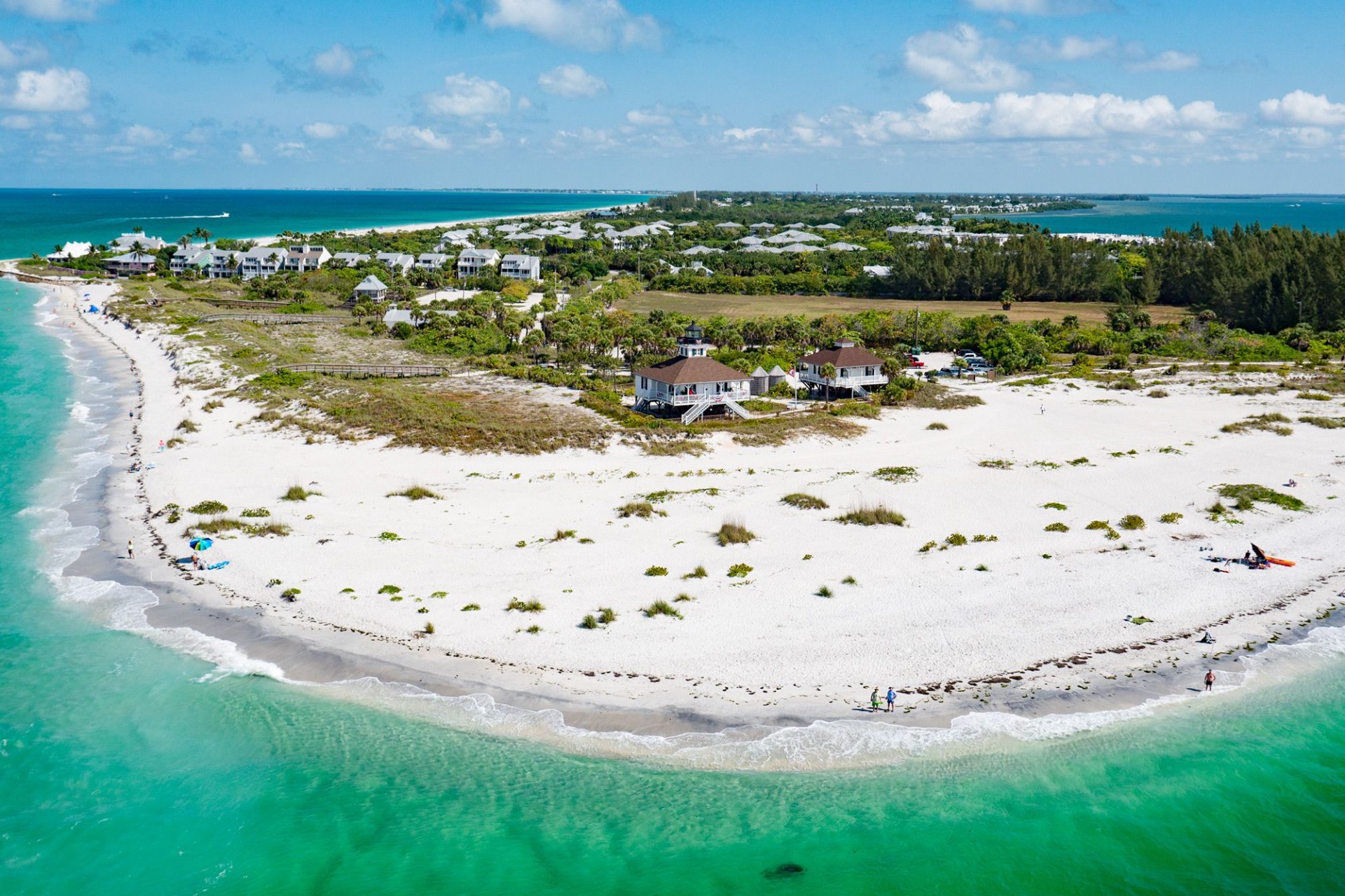
Near Boca Grande, families can buy fresh local seafood at fish markets and seafood counters on the mainland side of the causeway, or bring home fillets from a fishing charter. Stone crab claws are in season from mid-October into spring, and grouper, snapper and Gulf shrimp are often available too, but harvest rules change, so check what's in season. Ask the charter mate to fillet your catch at the dock, keep it on ice, and cook it simply by pan-searing, grilling or baking it to an internal temperature of 145°F.
Ask families what they remember from a week near Boca Grande and a lot of them won't name a restaurant. They'll tell you about the night they cooked grouper they bought that afternoon, or the snapper their kids reeled in that morning, and everyone ate on the porch with salty hair and sandy feet. We've hosted guests for 18 years, and that meal comes up again and again.
This guide explains how to do it: where and when to buy, what's actually in season, what to do with a charter catch, and how to cook seafood well in a kitchen that isn't yours. You don't need to be a chef. You need fresh fish, a hot pan and a plan.
Where do families buy fresh seafood near Boca Grande?
Gasparilla Island is small and quiet, and most serious shopping happens on the mainland side of the causeway. Placida, Englewood and the communities along the coast toward Port Charlotte have fish markets and seafood counters that sell local catch, often straight from commercial boats. Grocery store seafood counters are a fine backup, especially for shrimp. If you're planning the whole grocery run, our Boca Grande provisioning guide explains how to split shopping between before and after the causeway.
A few habits make any fish counter better:
- Ask what came in today. A good market will tell you plainly what's fresh and what was frozen. Frozen at sea isn't bad, but you should know which you're getting.
- Use your nose and eyes. Fresh fillets smell clean, like the ocean, never fishy. The flesh should look moist and firm, not dull or gapping apart.
- Shop late morning or early afternoon. You get a better pick than at closing, and you'll get it into your fridge before the hottest part of the day.
- Bring a cooler with ice. Southwest Florida heat is hard on seafood. Bag it, ice it, and drive straight back.
What seafood is in season, and when?
Florida closely manages its fisheries, so what you can buy, and what you can keep from a charter, depends on the time of year. Here's a general guide to the local favorites.
| When to look for it | What to know | |
|---|---|---|
| Stone crab claws | Season opens October 15 and runs into spring | Only the claws are harvested and the crab goes back in the water. Claws are sold already cooked and are usually served cold with a mustard sauce. |
| Grouper | Available much of the year, but seasons vary by species | Mild, flaky and firm. It's an easy fish for picky eaters. Some grouper species have seasonal closures. |
| Snapper | Varies by species | Mangrove snapper is a common inshore catch. Red snapper rules are set separately and change from year to year. |
| Gulf shrimp | Widely available most of the year | Buy them head-on or peeled. Ask whether they're local Gulf shrimp or imported. |
One local detail surprises visitors: snook and redfish can't be sold commercially in Florida, so you won't find them at a fish market. To eat one, you have to catch a legal fish yourself within the current size and bag limits.
We caught fish on a charter. Now what?
This is the best part of the week for many families. If you're booking a trip, our guide to planning a half-day inshore charter with kids covers timing, what to bring and what young anglers can handle. Once you're back at the dock, these steps help:
- Ask the captain or mate before the trip whether they clean fish. Many will fillet your legal catch at the dock, which is faster and tidier than doing it yourself.
- Keep the fish on ice from the moment it's landed until it's in your fridge. Don't let fillets sit in melted ice water. Bag them first.
- At home, pat the fillets dry, check for pin bones with your fingertips and pull any you find with tweezers or clean pliers.
- Cook it the same day or the next if you can. Fresh-caught fish is at its best quickly.
- If you have more than you'll eat, wrap portions tightly and freeze them flat for the drive home.
A courtesy request from a longtime host: please don't clean whole fish in a rental kitchen sink. Scales and scraps clog drains, and the smell lingers for the next family. If you end up with scraps, double-bag them and put them in the outdoor bin the same day, not the kitchen trash.
The fish did the hard part. Your job is to keep it cold and not overcook it.
What are easy seafood recipes kids will actually eat?
Fresh Gulf fish is mild, and that wins over a lot of hesitant eaters. Keep the flavors simple and let the kids help.
- Crispy fish bites: Cut grouper or snapper into chunks, dip them in beaten egg and then panko or seasoned flour, and pan-fry them in a little oil until golden. Serve with lemon and ketchup or tartar sauce. Kids treat them like chicken nuggets.
- Build-your-own fish tacos: Season fillets lightly, sear them, flake the fish and put out tortillas, shredded cabbage, avocado, cheese and lime. Everyone builds their own.
- Garlic butter shrimp: Melt butter with garlic, add peeled shrimp and cook just until they turn pink and curl. Toss with pasta or rice. It takes about ten minutes.
- Stone crab night: Crack the claws, serve them cold with mustard sauce and melted butter, and let the kids work the meat out. It's messy, it's fun and there's no cooking.
How do you cook seafood in a rental kitchen without the stress?
Rental kitchens vary, so take a quick inventory on day one: a good skillet, a sheet pan, tongs, a thin spatula and a meat thermometer if there is one. Pack a cheap instant-read thermometer if you don't want to guess.
- Dry the fish well before it goes in the pan. A wet fillet steams instead of browning.
- Fish sticks to the grill. Oil the fillet as well as the grates, or use a grill basket or a sheet of foil for delicate fillets like snapper.
- Firm fish like grouper holds up well on the grill. Flakier fish does better in a pan or baked on a sheet pan with lemon and butter.
- Most fillets cook fast, often within minutes per side depending on thickness. Check early.
- Open a window and run the vent fan while you sear. Wipe down the stovetop and take the trash out the same night, and the kitchen will smell like a kitchen again by morning.
Guests at Seaside Boca tell us that cooking their own catch, or fish from the market that morning, was a highlight of their stay. On nights you don't want to cook, our Boca Grande dining guide for families covers restaurants where kids are welcome.
Are there rules families should know before keeping fish?
Yes. Florida sets size limits, bag limits and seasons by species, and they're updated often. A licensed charter captain will know the current rules and will usually cover your licensing on board, so that's one more reason to fish with a guide your first time. If you fish on your own from a pier or beach, check the Florida Fish and Wildlife Conservation Commission (FWC) rules for your exact species and dates before you keep anything.
Questions Families Ask About Fresh Seafood Near Boca Grande
When is stone crab season in Florida?
Florida's stone crab season opens October 15 and runs into the spring. Only the claws are harvested and the crab is returned to the water. Claws are sold already cooked and are usually served cold. Check FWC for the current closing date, since it has changed over the years.
Can I buy snook or redfish at a fish market near Boca Grande?
No. Snook and redfish can't be sold commercially in Florida, so you won't find them at markets or most restaurants. The only way to eat one is to catch a legal fish yourself within the current size, bag and season limits.
Will a fishing charter clean our fish?
Many charter captains and mates will fillet your legal catch at the dock, but not all of them do, so ask when you book. Having fillets ready to go makes cooking in a rental kitchen much easier and keeps the mess off the property.
How do I know when fish is cooked?
U.S. food safety guidance recommends cooking fish to an internal temperature of 145°F. At that point the flesh is opaque and flakes easily with a fork. Most fillets cook quickly, so check early to avoid drying them out.
How should I keep seafood fresh on the drive back to the rental?
Bring a cooler with plenty of ice, bag the seafood so it doesn't sit in melted water, and drive straight home. Perishable seafood shouldn't sit out longer than two hours, or one hour in heat above 90°F.

Travel DRD - Free Land Vacations — IATA certified, IATAN and ASTA members, hosting families since 2007. We manage every home in this collection ourselves.
Last updated: November 13, 2026