
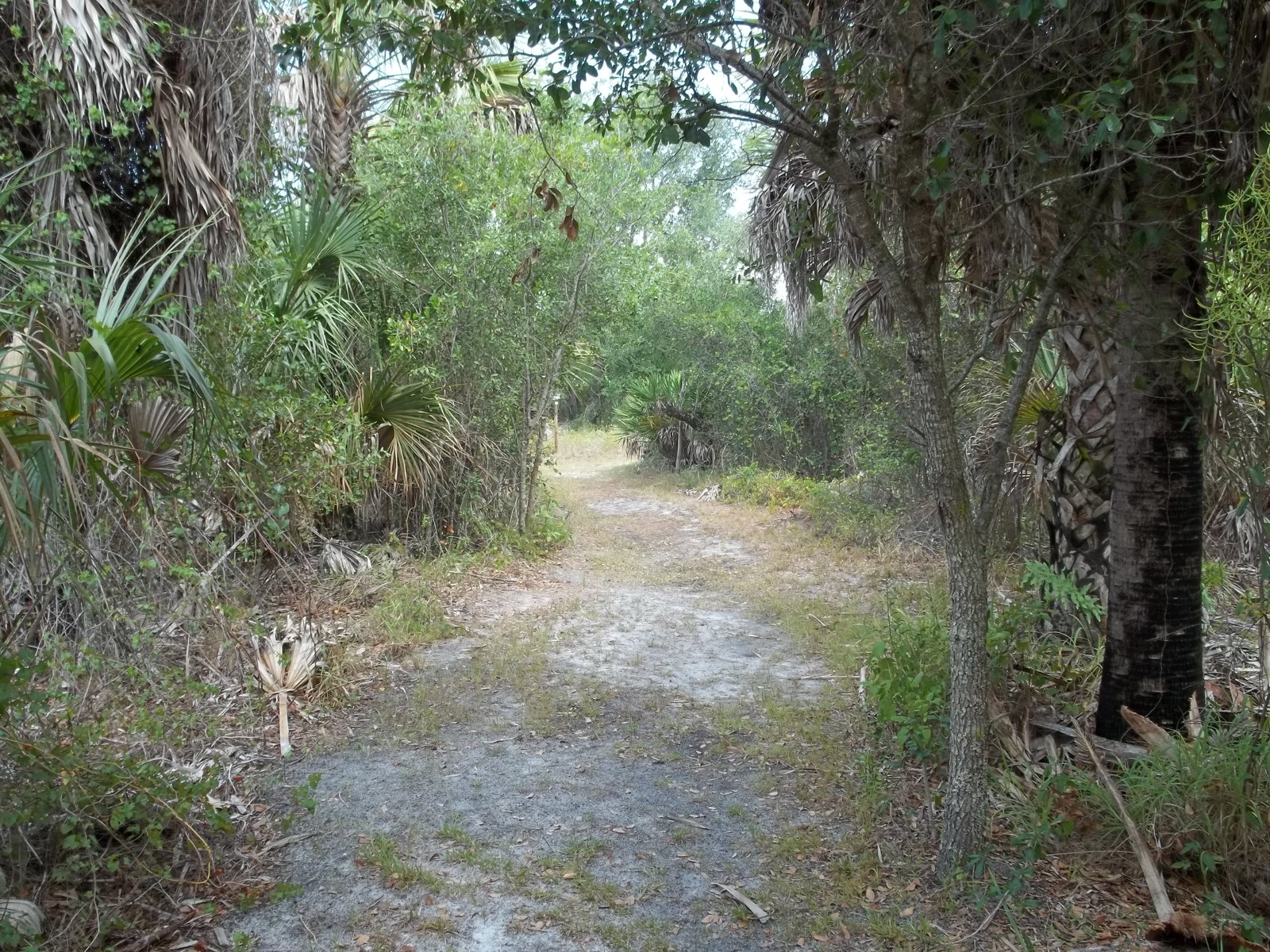
Charlotte Harbor Preserve State Park protects more than 45,000 acres and over 100 miles of shoreline around Charlotte Harbor in Charlotte and Lee counties, making it Florida's third-largest state park. Entry is free, the park is open 8 a.m. to sundown year-round, and the closest trailhead to Placida and Boca Grande is Catfish Creek — a five- to ten-minute drive from Seaside Boca. Most of the acreage is only reachable by kayak or canoe along marked paddle trails; a smaller set of upland hiking and biking trails is maintained at Alligator Creek and Catfish Creek.
Families who stay near Boca Grande drive right past Charlotte Harbor Preserve State Park on the way to the causeway and never notice it. There's no gate, no ranger booth, no fee kiosk with a line of cars — just a small brown sign off the highway, easy to miss if you're focused on the beach ahead. That's a shame, because what's behind that sign is Florida's third-largest state park, and almost none of it gets used.
We've hosted families minutes from this park for 18 years out of Seaside Boca in Placida, and the honest pattern is that guests treat the beach as the whole trip and never realize there's a free, 45,000-acre alternative sitting between them and Charlotte Harbor.
How big is Charlotte Harbor Preserve State Park, actually?
The preserve covers more than 45,000 acres and protects over 100 miles of shoreline along Charlotte Harbor, spanning both Charlotte and Lee counties. That makes it the third-largest park in the Florida State Parks system, behind only Big Cypress and Fakahatchee Strand. Most first-time visitors assume it's a single park with one entrance — it's actually a patchwork of upland tracts and mangrove-fringed water threaded together across the two counties, with several separate access points rather than one central gate.
Where do you actually park and start walking?
This is the part that trips people up, because there isn't one main entrance the way there is at a park like Myakka River. The maintained, marked hiking and biking trails are concentrated at two access points:
- Alligator Creek / Charlotte Harbor Environmental Center — 12301 Burnt Store Rd, Punta Gorda. A series of loop trails radiate out from the environmental center building, crossing upland pine flatwoods and palm hammocks into wetlands where fresh and saltwater habitats meet. There's also the Old Datsun Trail here, looping through what used to be farmland at an old agricultural school.
- Catfish Creek — Placida. This is the access point closest to Boca Grande, roughly a five- to ten-minute drive from Seaside Boca, and the one we point our own guests toward when they ask about a morning walk that isn't the beach.
- Little Pine Island High Marsh Trail — off SR-78 near Little Pine Island, a loop through tidal marsh habitat further south toward Cape Coral.
There are additional water-access points at York Street in Englewood, Coral Creek in Rotunda West, and Tea Street in Charlotte Harbor, but those are launches for paddlers rather than trailheads for hikers.
Why are these "the trails nobody uses"?
Because most of the park's acreage isn't walkable at all. The preserve is built around Charlotte Harbor's shallow, mangrove-fringed water, and the bulk of it — the part that gives the park its size — is only reachable by kayak or canoe along two marked paddle trails, not by trail shoes. The maintained, signed hiking and biking trails exist only at Alligator Creek and Catfish Creek; everywhere else, what trail network does exist is described by the park itself as "much wilder" and minimally maintained. Combine that with no visible entrance fee booth, no crowds, and a name that sounds like a boat ramp rather than a destination, and you get a 45,000-acre park that barely registers with visiting families — even ones staying five minutes away.
There's no gate, no ranger booth, no fee kiosk with a line of cars — just a small brown sign off the highway, easy to miss if you're focused on the beach ahead.
Is there an entrance fee, and what are the hours?
Access is free. Like all Florida state parks, it's open from 8 a.m. until sundown, 365 days a year, including holidays. That makes it one of the few things in the Boca Grande area you can do on a whim, with no booking, no ticket, and no line — useful on a trip where every boat charter and dinner reservation has to be planned days ahead.
Should we hike it or kayak it?
Both, if you have the time, but they're different trips. The Catfish Creek and Alligator Creek trails are flat, shaded-in-parts walks through pine flatwoods, palm hammocks, and the edge of tidal wetlands — good for a morning with young kids who need to burn energy before an afternoon at the beach, and genuinely productive for birdwatching. Bring water and bug spray; there's little shade in the open marsh sections and Florida flatwoods don't apologize for mosquitoes.
The paddle trails are the bigger draw for families who already have a kayak trip on the agenda — the shallow, mangrove-lined water inside Charlotte Harbor is calmer than open Gulf water and a reliable spot to see wading birds, manatees, and dolphins without a boat charter. If your group is already planning a paddle day, see our guide to Port Charlotte and Cape Haze for the wider picture on Charlotte Harbor boating and manatee rules, which apply here too.
What wildlife will we actually see?
Charlotte Harbor is real manatee and dolphin habitat, and the preserve's calm, protected water inside the mangroves is one of the better places in the region to spot both without a guided tour. On the upland trails, expect wading birds — herons, egrets, ibis — plus gopher tortoises in the drier pine flatwoods sections. Charlotte Harbor Preserve is also a stop on the Great Florida Birding and Wildlife Trail, and the Alligator Creek section backs directly onto the Charlotte Harbor Environmental Center, which runs its own guided hikes and interpretive programs worth checking before you go.
Is it worth the detour from a Boca Grande trip?
For a rainy morning, a low-tide window when the beach isn't at its best, or a family that wants one nature outing that isn't Myakka River or the wildlife refuges on Sanibel, yes. It won't replace a full beach day, and it isn't dramatic in the way a canopy walkway or a big-name state park is — it's quiet, flat, and unglamorous, which is exactly why it stays empty. That's the appeal for a family who's already spent three days on a crowded strip of sand: a free, five-minute-away trail where you might not see another car in the lot.
Charlotte Harbor Preserve State Park FAQs
Charlotte Harbor Preserve State Park FAQs
How far is Charlotte Harbor Preserve State Park from Boca Grande?
The Catfish Creek trailhead in Placida is roughly a five- to ten-minute drive from Boca Grande and from Seaside Boca, making it the closest trail access point to the island.
Is there an entrance fee for Charlotte Harbor Preserve State Park?
No. Access is free, and the park is open 8 a.m. to sundown every day of the year, including holidays.
Can you hike the whole park, or do you need a kayak?
Most of the park's 45,000-plus acres are only reachable by kayak or canoe along marked paddle trails through Charlotte Harbor's mangroves. Signed, maintained hiking and biking trails exist only at the Alligator Creek and Catfish Creek access points.
Are there manatees at Charlotte Harbor Preserve State Park?
Yes. The shallow, mangrove-fringed water inside the preserve is manatee and dolphin habitat, and the calm paddle trails are one of the more reliable places in the region to see both from a kayak.
Is Charlotte Harbor Preserve State Park good for young kids?
The Catfish Creek and Alligator Creek upland trails are flat, short walks well suited to young kids, especially as a morning outing before a beach afternoon. Bring water and bug spray, since shade is limited in the open marsh sections.

Travel DRD - Free Land Vacations — IATA certified, IATAN and ASTA members, hosting families since 2007. We manage every home in this collection ourselves.
Last updated: August 31, 2026