
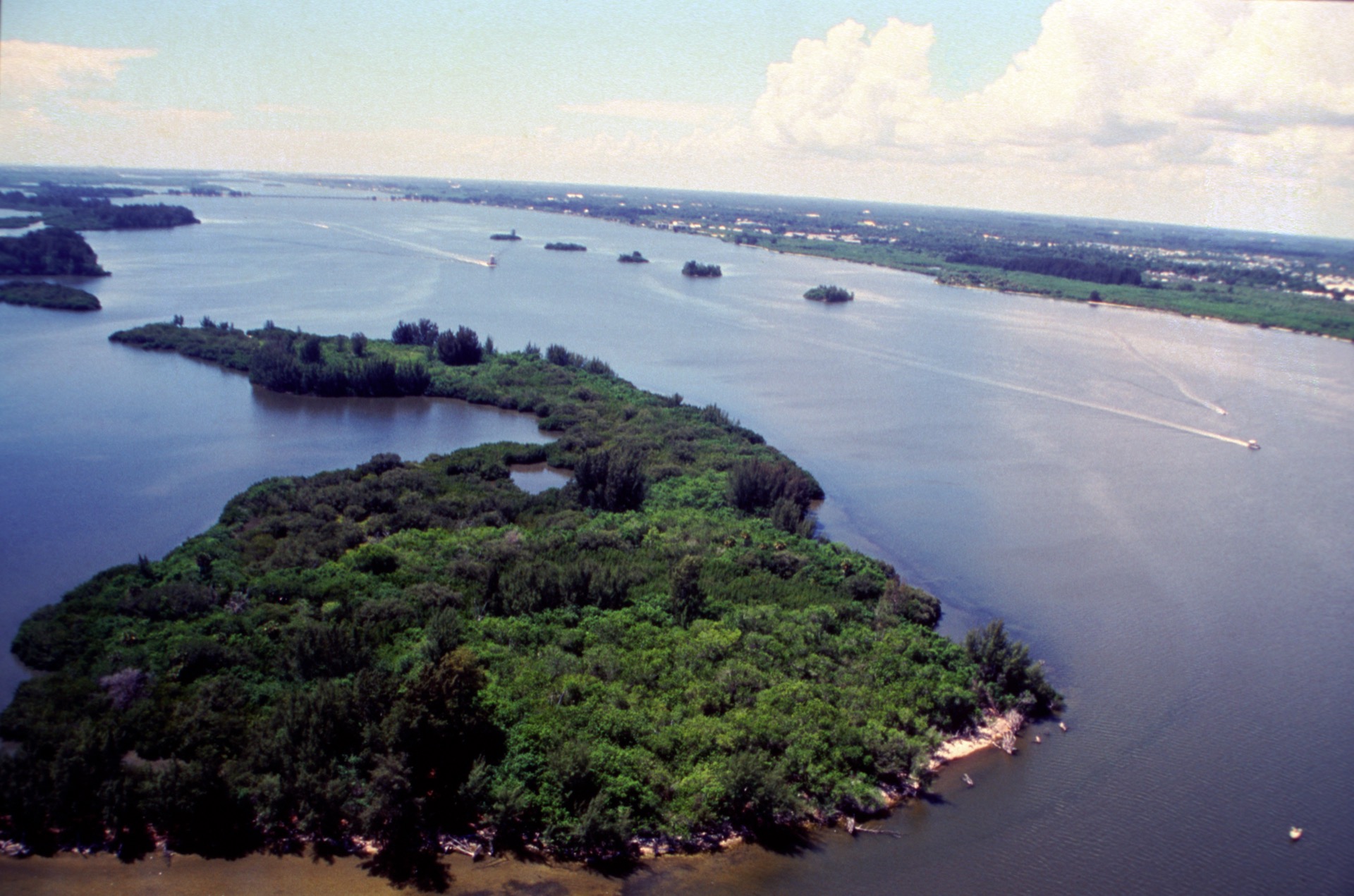
The Environmental Learning Center (ELC) is a 64-acre, non-profit lagoon-island nature center at 255 Live Oak Drive in Vero Beach, Florida, at the western foot of the Wabasso Bridge. It sits directly on the Indian River Lagoon and offers boardwalk nature trails, a 2,000-gallon aquarium building, a touch tank, self-guided and guided kayak or paddleboard rentals, and a daily pontoon boat eco-tour to Pelican Island. It's open daily (Mon–Fri 8am–5pm, Sat–Sun 8am–4pm); admission is $10 for ages 12+, $8 for seniors and military, and $5 for kids 2–11.
Most nature centers ask you to imagine the ecosystem from behind glass. The Environmental Learning Center doesn't have to — it's built on 64 acres of actual lagoon-island real estate on the Indian River Lagoon, so the exhibit is also the view out the window. You can spend twenty minutes at the touch tank and then walk out onto a boardwalk over the real thing.
We've sent enough guest families through the ELC's gates to know what works and what's worth skipping a stop for. This is our honest, no-fluff guide.
What Exactly Is the Environmental Learning Center?
The ELC is a 501(c)(3) non-profit nature center occupying a 64-acre lagoon-island campus at the western foot of the Wabasso Bridge, 255 Live Oak Drive, Vero Beach. It sits inside the Indian River Lagoon — one of the most biodiverse estuaries in North America, the same estuary the Historic Jungle Trail runs alongside a few miles south. The center's stated mission is to educate, inspire, and empower people to be active stewards of the environment, and it does that through daily public programs rather than a single static exhibit hall.
The campus itself is the draw: miles of boardwalk and mulched nature trails wind through mangrove shoreline and coastal hammock, with an indoor building housing 2,000 gallons of aquariums, a touch tank, live animal exhibits, and rotating art galleries featuring local and regional artists. It reads less like a museum and more like a working field station that happens to welcome the public.
Hours, Admission, and Parking
- Hours: Monday–Friday 8am–5pm; Saturday–Sunday 8am–4pm.
- Admission: $10 for ages 12 and up, $8 for seniors 65+ and military, $5 for children ages 2–11.
- Free admission for members, children under 2, and SNAP/WIC cardholders.
- Parking is on-site and free.
It's a full-priced but modest ticket, and unlike a lot of Florida attractions, the price hasn't crept toward theme-park territory. A family of four with two kids over 12 is typically looking at well under $40 for a morning of aquariums, trails, and lagoon views — before you even add a kayak.
Kayaks, Paddleboards, and the Pontoon Tour
This is the part that separates the ELC from a typical nature center: you can actually get on the lagoon from the property. Self-guided kayak, canoe, and stand-up paddleboard rentals let you explore at your own pace, and a naturalist guide can be added to a rental for $100 for a two-hour outing — worth it if you want someone pointing out what you're paddling past rather than guessing.
For families who'd rather sit than paddle, the ELC runs a daily pontoon boat eco-tour with advance reservations required. Routes run to Pelican Island, a sunset version of the same route, and a trip out toward Sebastian Inlet — the tour is award-winning locally and priced the same as general admission ($10 ages 12+, $5 ages 2–11).
If that number sounds familiar, it's because it's the same refuge our Jungle Trail guide covers from the overlook side. Between the two, guests staying in the area can see Pelican Island by land (Jungle Trail overlooks, free) or by water (ELC pontoon tour, ticketed) in the same week — different vantage, same historic island.
The Aquarium Building and Boardwalk
Indoors, the 2,000-gallon aquarium system and touch tank are the anchor for younger kids — hands in the water, real Indian River Lagoon species, staff nearby to answer the inevitable "can it bite me" question. Rotating art galleries showcase local and regional artists, which gives the visit a slower, more contemplative half-hour that pairs well with the higher-energy trail time.
Outside, the boardwalk and mulched trails are the main event. They run through mangrove shoreline and hammock with interpretive stops along the way, and because the property borders the lagoon directly, you're never more than a short walk from open water and the birdlife that comes with it — herons, egrets, ospreys, and in the right season, roseate spoonbills.
It's one of the only places in Vero Beach where the exhibit and the ecosystem are the same acre.
When to Go and How Long to Plan
Morning is the right call, same as most Florida outdoor stops — cooler temperatures, more active wildlife, and the pontoon tour and guided kayak slots tend to book earliest. Plan a solid two to three hours if you're doing the aquarium building plus trails plus a self-guided paddle; add another hour if you're booking the pontoon tour, since it runs on a fixed schedule and requires a reservation. A quick visit — aquarium, touch tank, one loop of boardwalk — can be done in under an hour if you're stacking it with another stop that day.
It's an easy pairing with the Historic Jungle Trail, since both sit on the Indian River Lagoon system a short drive apart — trail in the early morning, ELC mid-morning, lunch after. It also works as the rainy-day-adjacent option in a beach week, since the aquarium building gives you an indoor fallback if weather turns while you're mid-visit.
How Families Make It Work With Kids
Our honest read: this is one of the easier outings on our list for a wide age range. Toddlers and younger kids are happy with the touch tank and a short boardwalk loop; older kids and teenagers get more out of a self-guided kayak or the pontoon tour, where there's an actual destination and story attached (Pelican Island's origin as the first federal wildlife refuge lands well with a ten-year-old). The free admission for kids under two and the SNAP/WIC waiver also make it one of the more accessible paid attractions in the area for larger or multi-generational groups.
Visiting From a Nearby Home
Guests at our Vero Oaks home are close enough to make the ELC a half-day outing without burning a whole vacation day on the drive — the Orchid Island location puts the lagoon, the Jungle Trail, and the ELC's Wabasso Bridge campus all within a short loop. Load beach bikes for the trail portion of the day, then swap to the water for the ELC's kayaks or the pontoon tour in the afternoon. If the lagoon puts your crew in a fishing mood after the tour, our tarpon charter guide explains how we approach booking a guide with kids, and much of that same logic applies to lagoon guides working out of Vero.
Eighteen years of hosting families in this area has taught us that the ELC is one of the rare attractions that satisfies both the kid who wants to touch a stingray and the adult who wants twenty quiet minutes on a boardwalk looking at water. Reserve the pontoon tour or a guided kayak slot ahead of a weekend visit — those fill first.
Environmental Learning Center Questions Our Guests Ask
How much does the Environmental Learning Center cost?
General admission is $10 for ages 12 and up, $8 for seniors 65+ and military, and $5 for children 2–11. Kids under 2, members, and SNAP/WIC cardholders are free. The pontoon boat tour is priced the same as general admission and requires an advance reservation.
Can you kayak at the Environmental Learning Center?
Yes. Self-guided kayak, canoe, and stand-up paddleboard rentals are available for exploring the Indian River Lagoon at your own pace, and a naturalist guide can be added to a rental for $100 for a two-hour outing.
What is the pontoon boat tour and do you need reservations?
It's a guided lagoon eco-tour run daily by the ELC, with routes to Pelican Island, a sunset version of that same route, and a trip toward Sebastian Inlet. Advance reservations are required, and it's priced the same as general admission.
What are the hours at the Environmental Learning Center?
Monday through Friday 8am to 5pm, and Saturday and Sunday 8am to 4pm. It's open daily, so it fits into most trip itineraries without much planning around closures.
Is the Environmental Learning Center good for young kids?
Yes. The touch tank, 2,000-gallon aquarium building, and a short boardwalk loop are an easy win for toddlers and younger children, while older kids get more out of the kayak rentals or the pontoon tour to Pelican Island.
How does the ELC connect to Pelican Island?
Pelican Island, designated in 1903 as the first national wildlife refuge in the United States, is the destination of the ELC's daily pontoon boat tour. It's the same refuge visible by land from overlooks along the nearby Historic Jungle Trail — land view free, water view ticketed through the ELC.

Travel DRD - Free Land Vacations — IATA certified, IATAN and ASTA members, hosting families since 2007. We manage every home in this collection ourselves.
Last updated: July 30, 2026