
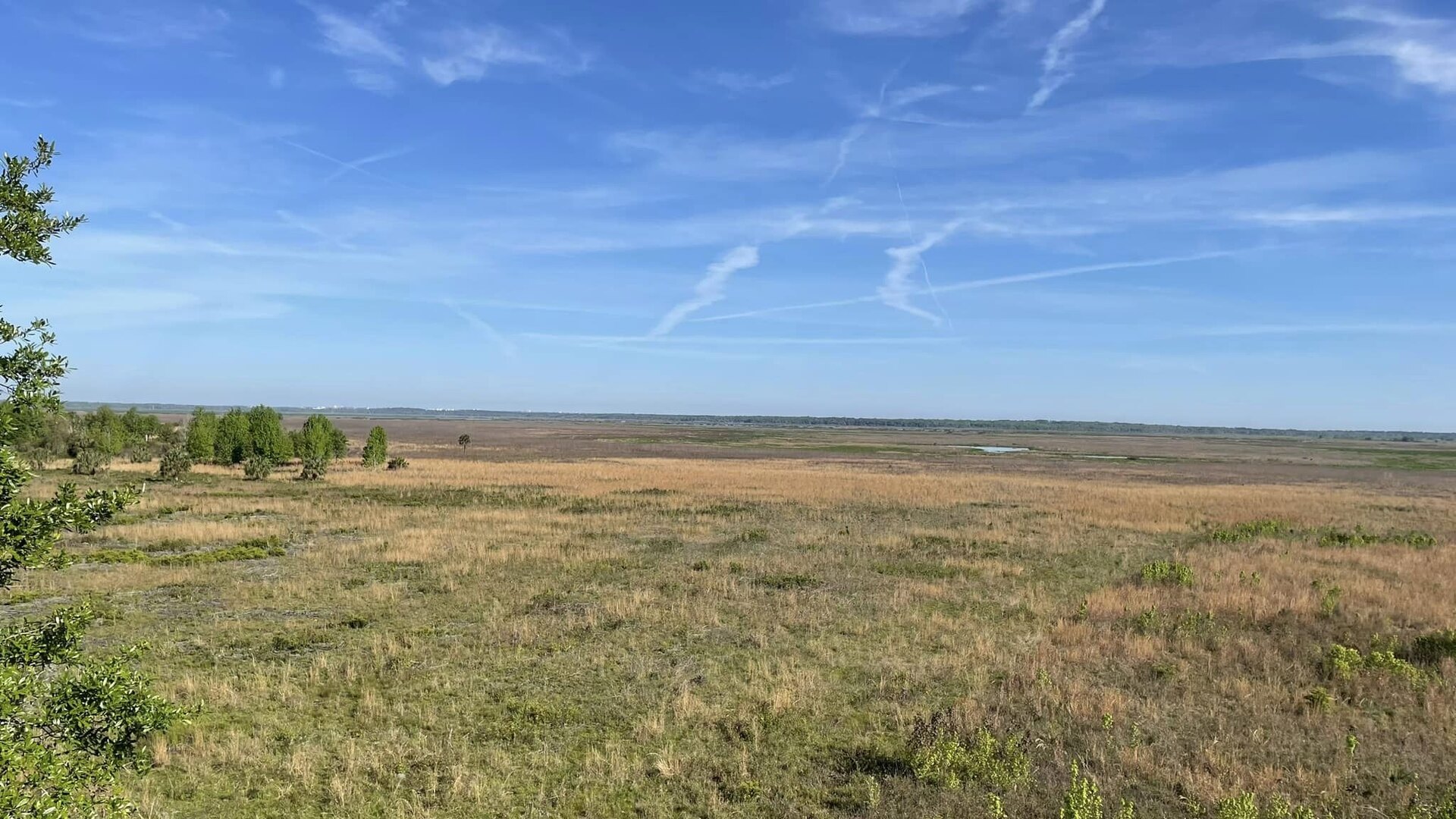
Myakka River State Park, east of Sarasota, has three kinds of overnight stays: historic palm-log cabins built by the Civilian Conservation Corps, developed campgrounds with utility hookups for tents and RVs, and primitive backcountry sites you hike to on the Myakka Trail. Book through the official Florida State Parks reservation system well ahead, because cabins fill first. Most families find the dry season, roughly late fall through early spring, the easiest time for an overnight because there are fewer bugs, less heat and drier trails. A day trip from a Gulf Coast rental works well if you mainly want the canopy walkway and wildlife viewing. An overnight gives you the dawn and dusk hours that day visitors miss.
Most visitors see Myakka River State Park between mid-morning and late afternoon. That's when the light is flat, the wildlife is resting and the parking areas are busiest. The families who come back raving tend to be the ones who were still in the park at sunrise, when mist sits on the Upper Myakka Lake and the birds are loud enough to wake you before your alarm.
Staying overnight inside the park is one way to get those hours, but the three ways to do it are very different. Below we compare the historic cabins, the developed campgrounds and the primitive backcountry sites. We also cover booking, timing, bug and heat prep, and when a simple day trip from a Gulf Coast rental is the better call.
What are the three ways to stay overnight at Myakka?
Each option comes down to how much comfort you want and how much effort you're willing to put in. Here's how they compare for a family:
| Palm-log cabins | Developed campgrounds | Primitive backcountry | |
|---|---|---|---|
| Best for | First overnight, young kids, grandparents | Families with a tent or RV | Older kids who are experienced hikers |
| Shelter | Walls, roof, beds, bathroom | Your own tent or RV | Your own tent, carried in |
| Utilities | Built in (check the listing for current amenities) | Water and electric hookups at sites; restrooms and showers nearby | None; bring or treat your own water |
| How you arrive | Drive up | Drive up | Hike in on the Myakka Trail |
| Booking pressure | Highest; small number of units | Moderate to high in the dry season | Lower, but you still need to register in advance |
Are the historic palm-log cabins worth it for families?
The cabins are the reason many families plan this trip at all. The Civilian Conservation Corps built them in the 1930s from cabbage palm logs, the same era and crew that built much of the park's early infrastructure. They've since been updated so they work as a real overnight base instead of a museum piece. That said, amenities and bed setups vary by unit, so read the official listing for the cabin you're booking.
Cabins are the easy choice if you have toddlers, someone with mobility needs, or a family that has never camped. You get a door that locks, a real bathroom at 2 a.m., and a kitchen for an early breakfast before the morning wildlife walk. The trade-off is availability: there are only a few cabins, and dry-season weekends go quickly.
What are the campgrounds like for tents and RVs?
Myakka has developed campgrounds for both tents and RVs, with sites that offer water and electric hookups plus shared restroom and shower buildings. If sewer hookups or a specific rig length matter to you, check the details on each individual site before booking, because they're not the same everywhere in the park.
For families who already own camping gear, this is the best balance. You're close to the lake, the paved park drive and the trailheads, and kids get the full camping experience without a long hike carrying packs. Sites near the water are popular, so if you have a preference, book early.
Should families try the primitive backcountry sites?
The backcountry sites sit along the Myakka Trail, a long hiking loop through the park's interior. You carry in everything you need, including your water or a way to treat it. You must register with the park before you go. Expect sand, uneven ground and, in wetter months, standing water across sections of the trail.
This option is for families with older kids who have already done overnight hikes somewhere easier. The interior of Myakka is remote and exposed, with real heat and real wildlife, and help is a long walk away. If your kids haven't carried a pack before, start with a campground night and save the backcountry for a later trip.
Choose the overnight your least-experienced family member can enjoy, not the one your most adventurous one wants.
How do you reserve a cabin or campsite at Myakka?
Cabins and campsites are booked through the official Florida State Parks online reservation system. It's the only place to trust for current rates, availability and rules. A few habits make it easier:
- Decide your dates before the booking window opens. Cabins for dry-season weekends often go soon after they become available.
- Have a backup plan ready, such as a weekday night or a campsite instead of a cabin, in case your first choice is gone.
- Read the cancellation policy and the pet policy for your exact unit before paying. Rules for cabins and campsites can differ.
- For backcountry sites, follow the park's registration steps and check current trail conditions with the ranger station before you hike in.
- Check the park's official page for closures in the days before your trip, because high water or maintenance can affect roads and trails.
Which season is best for a family overnight?
For most families, the dry season from roughly late fall through early spring is the easiest time for a first overnight. Nights are cooler, bugs are far fewer, and as water levels drop, wildlife gathers where you can see it. Summer is a different park: lush and beautiful, but hot, humid and stormy, and some low areas can flood. We break down the trade-offs month by month in our guide to Myakka in the wet season vs. the dry season.
How should you prepare for bugs, heat and wildlife?
Even in the cooler months, Florida's outdoors calls for some planning. Here's what we tell guests heading inland for a night:
- Mosquitoes and no-see-ums: Pack an EPA-registered repellent, long lightweight sleeves for dawn and dusk, and a tent with fine mesh. Wet months are noticeably worse.
- Heat: Bring more water than seems necessary, plan hikes for early morning, and give kids shade breaks before they ask for them.
- Storms: In summer, afternoon thunderstorms with lightning are routine. Get off the water and out of open prairie when you hear thunder.
- Fire ants: Check the ground before you set up chairs or tents, and teach kids to look before they sit.
- Food storage: Keep food sealed and put away. Raccoons in Florida parks are bold and quick.
- Alligators: Keep kids and pets well back from the water's edge, especially at dusk, and never feed wildlife.
For more on keeping small children safe near the lake while still enjoying the wildlife, see our guide to watching alligators and herons with kids at Myakka.
Is an overnight better than a day trip from a Gulf Coast rental?
Honestly, it depends on what your family wants from the park. If the goals are the canopy walkway, a boat tour and a few alligator sightings, a day trip works well. Our Myakka River State Park day guide covers how to plan one. The drive inland from the coast takes a real part of the day, though, so leave early and pack lunch.
An overnight is worth it when your family wants the quiet hours: sunrise on the lake, birds coming in to roost, and a sky much darker than the coast. Many families combine the two. They stay at a beach rental such as Seaside Boca or Estero Escape for most of the trip, then spend one night at Myakka in the middle and come back to the coast for a beach day to recover.
Questions Families Ask About Staying Overnight at Myakka
Can kids stay in the Myakka palm-log cabins?
Yes. The cabins are often the most comfortable choice for families with young children because they have walls, beds and a bathroom. Occupancy limits and bed layouts vary by unit, so check the official listing before you book.
How far ahead should we book a Myakka cabin?
Book as early as the Florida State Parks reservation system allows, especially for dry-season weekends. There are only a few cabins and they're in high demand. Weekday nights and shoulder months are usually easier to get.
Are the backcountry campsites safe for families?
They suit families with older kids who are experienced hikers and can carry their own packs and water. The sites are remote, there are no utilities, and summer heat and storms add real risk. You must register with the park before hiking in, and most families should try a campground night first.
What is the best month for a first overnight at Myakka?
Most families do best in the dry season, roughly late fall through early spring, when nights are cooler and there are fewer bugs. Summer stays are possible but bring heat, humidity, afternoon lightning and sometimes high water. Check the park's current conditions page before your trip.
Can we bring our dog on an overnight at Myakka?
Pet rules differ between cabins, campgrounds and trails at Florida state parks. Check the specific policy for your reservation before you go, and keep pets leashed and well away from the water's edge because of alligators.
Travel DRD - Free Land Vacations — IATA certified, IATAN and ASTA members, hosting families since 2007. We manage every home in this collection ourselves.
Last updated: October 6, 2026