
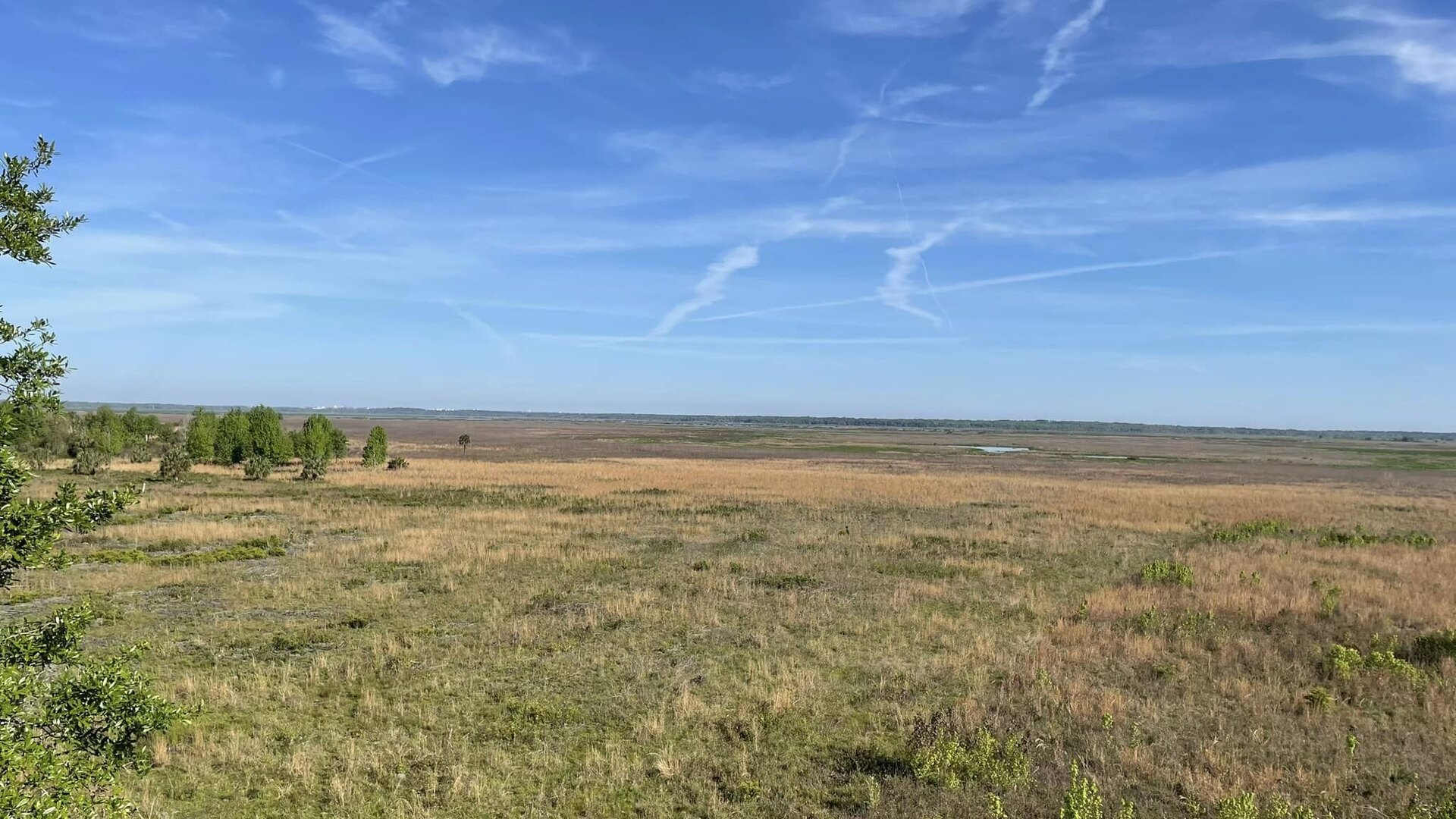
Families can fish from the shore or from a canoe or kayak at Upper Myakka Lake and along the Myakka River inside Myakka River State Park near Sarasota. Florida does not require a freshwater fishing license for anyone under 16, but most adults 16 and older do. Expect bluegill and other bream, largemouth bass, and catfish. Live worms or crickets under a bobber work well. Fish from open, clear banks, keep kids and pets back from the water's edge, and never feed alligators or leave fish scraps behind.
Guests ask us about this every season: "Can the kids actually fish at Myakka, or is it just alligators?" The honest answer is both. Upper Myakka Lake and the slow, tea-colored river that feeds it hold plenty of fish, and a child with a bobber and a cup of worms can catch a pile of bluegill in an afternoon. The same water is also home to a lot of alligators, so a good fishing day here takes a little planning.
Over the years we've sent many families out to Myakka with a cooler and a few cheap rods. This guide covers what we tell them: where to stand, who needs a license, what's likely to bite, what to buy before you go, and how to fish calmly with gators around.
Where Can Kids Fish Safely From the Shore?
Look for open banks with good sightlines. The main lake area near the park's concession and boat ramp has grassy, mostly open shoreline, and that's where we'd start with young kids. You can see the water around you, there's room to cast without hooking a sibling, and restrooms and shade are close by. The weir at the south end of Upper Myakka Lake is a well-known fishing spot too, but access and water conditions change with the seasons. Ask at the ranger station what's open and fishing well that day.
Wherever you stand, pick a spot where the bank is firm and the grass is short. Thick vegetation at the water's edge is where you can't see what's resting there. Set up a few steps back from the water instead of right on the edge. Bream bite fine a short cast out, so kids don't need to stand at the waterline.
- Choose open, mowed or sandy banks over tall reeds and brush.
- Keep a clear line of sight along the shore in both directions.
- Have kids cast from a few steps back, with an adult between them and the water.
- Avoid fishing at dusk with small children, when gators are more active and harder to see.
Do Adults and Kids Need a Florida Fishing License?
Most adults 16 and older need a Florida freshwater fishing license, and visitors buy a non-resident version. Florida residents 65 and older are generally exempt with proof of age and residency, and there are a few other exemptions. Licenses are sold through the Florida Fish and Wildlife Conservation Commission (FWC) online and at many tackle and sporting goods stores. A short-term non-resident license is usually the practical choice for a vacation week. Buy it before you get to the park, because cell service there can be patchy.
FWC also sets bag and size limits for bass and other species. If your family plans to keep anything, check the current limits on the FWC site before your trip. Most families we host fish catch-and-release, and kids are usually just as happy that way.
What Will Families Actually Catch: Bass, Bream, or Catfish?
Bream are the best bet for kids. In Florida, "bream" usually means bluegill and redear sunfish (locals call redear "shellcracker"). They're plentiful, they bite readily, and they're small enough for a child to reel in without help. A good bream spot can keep a six-year-old busy for an hour.
Largemouth bass are the fish most adults want, and Myakka has them. They're harder to catch than bream, but a teenager working the edges of the vegetation with a soft plastic worm has a real shot. Catfish, including channel catfish and bullheads, feed along the bottom, especially in warmer months and in low light. You may also see gar rolling at the surface. They're interesting to watch and hard to hook.
| What it is | Best simple bait | Kid-friendly? | |
|---|---|---|---|
| Bream (bluegill, redear) | Small, abundant sunfish | Live worms or crickets under a bobber | Yes, the best starter fish |
| Largemouth bass | Florida's state freshwater fish | Soft plastic worms, small swimbaits, live shiners | Better for patient older kids |
| Catfish | Bottom feeders | Cut bait, chicken liver, or nightcrawlers on the bottom | Yes, if they can wait for a bite |
What Bait and Tackle Should You Bring?
Keep it simple. Inexpensive spincast or light spinning combos are plenty for bream and the occasional bass or catfish. Kids lose rigs to snags and overhanging branches, so a short, cheap setup will save you some frustration.
- A few light rods, ideally one per child plus a spare.
- Small hooks for bream, plus a few larger ones for catfish.
- Round bobbers and a pack of split-shot sinkers.
- Live worms or crickets, bought from a bait shop on the drive in. Don't plan on finding bait inside the park.
- A small pack of soft plastic worms for anyone after bass.
- Needle-nose pliers to remove hooks, a towel, and a small trash bag for used line and bait cups.
- Sunscreen, hats, water, and bug spray. The shoreline has little shade at midday.
Take every scrap of fishing line home with you. Discarded line tangles wading birds and turtles, and Myakka has a lot of both.
How Do You Keep a Safe Distance From Alligators While Fishing?
Alligators are part of fishing anywhere in Florida fresh water, and Myakka has more than most places. Most gators ignore people. Problems start when they learn to link humans with food, and anglers create that link more often than anyone else. A splashing, hooked fish or a bucket of bait scraps can draw a gator's attention.
A gator that learns people mean food is the one that becomes a problem, so never be the one who teaches it.
- Never feed alligators. Feeding wild alligators is illegal in Florida.
- Don't toss bait, fish scraps, or unwanted catch into the water or onto the bank.
- If a gator moves toward a fish you're reeling in, cut the line and let the fish go.
- Keep children and pets well back from the water's edge at all times. Leave dogs at home for fishing outings.
- Don't wade in to free a snagged lure. Cut it off.
- If a gator is resting near your spot, move. There's plenty of shoreline.
For more on reading gator behavior and keeping kids at a safe distance, see our guide to watching alligators and herons at Myakka with kids. For the rest of the park, including the canopy walk and the airboat tours, start with our Myakka River State Park guide.
Is It Worth Fishing From a Canoe or Kayak?
A small boat gets you to quieter water and vegetation edges you can't reach from shore, and that helps a lot with bass. With younger kids, though, a canoe adds new problems: hooks flying around in a small space, tipping, and getting closer to gators than you would on land. We'd suggest it for families with confident older kids who already paddle, and only on calm days.
If you go, stay well away from any alligator in or near the water, and don't paddle into narrow, overgrown channels. Our guide to paddling Myakka with kids explains whether to rent or bring your own boat, where to launch, and how to share the water with wildlife.
When Is the Best Season and Time of Day to Fish Myakka?
The cooler months, roughly late fall through early spring, are the most comfortable for families. Days are milder, there are fewer bugs, and you're less likely to get caught in a thunderstorm. In Florida, bass often move shallow to spawn in late winter and early spring, so that's a good stretch to try for one. Bream bed in shallow water through spring and summer and can be very easy to catch when you find a bedding area.
In summer, go early. Mornings are cooler and the fish are more active. Afternoon thunderstorms with lightning are common, and an open lakeshore is a bad place to be in one, so pack up as soon as you hear thunder. Water levels change a lot over the year. In the dry season the lake can drop and shrink back from the bank. In the wet season, high water can flood trails and sometimes close parts of the park.
How Do You Plan a Myakka Fishing Day From Your Rental?
Myakka makes an easy day trip from our Southwest Florida homes. Pack a cooler and rods the night before, pick up bait on the way in, and get there early in the morning. Guests at Seaside Boca often combine a morning on the lake with a picnic and a walk, then head back to the beach for the afternoon. Families at Estero Escape have a longer drive, so they usually make it a full day with fishing first and wildlife viewing after lunch.
Set the kids' expectations before you go. Some days the bream won't stop biting, and some days the best part is watching an alligator sun itself from a safe distance. Either way, kids usually remember the trip.
Myakka Fishing Questions Families Ask Us
Do kids need a fishing license to fish at Myakka River State Park?
No. Florida does not require a freshwater fishing license for anyone under 16, resident or visitor. Adults 16 and older generally need one unless they qualify for an exemption, such as Florida residents 65 and older. Check FWC for current exemptions before your trip.
What is the easiest fish for kids to catch at Upper Myakka Lake?
Bream, meaning bluegill and redear sunfish, are the easiest. They're plentiful and bite readily on live worms or crickets under a small bobber. They're small enough for young kids to reel in on their own.
Is it safe to fish from the shore with alligators around?
It can be, with sensible habits. Fish from open banks where you can see the water, keep kids and pets well back from the edge, and never feed alligators or leave bait and fish scraps behind. If a gator comes toward a hooked fish, cut the line, and if one is resting near your spot, move.
Can I buy bait at Myakka River State Park?
Don't count on it. Buy live worms or crickets at a bait or tackle shop on the drive in, and bring everything you need with you. Cell service in the park can be unreliable, so buy your fishing license ahead of time too.
What time of year is best for fishing Myakka with a family?
Late fall through early spring is the most comfortable, with milder days and fewer storms and bugs. Bass often move shallow in late winter and early spring, and bream bed through spring and summer. In summer, fish early in the morning and leave when afternoon thunderstorms build.
Should we fish from a canoe or stay on the bank with young kids?
With young children, stay on the bank. It's simpler and safer, and the bream bite well from shore. Canoes and kayaks suit confident older kids who already paddle, on calm days, with plenty of distance kept from any alligator.

Travel DRD - Free Land Vacations — IATA certified, IATAN and ASTA members, hosting families since 2007. We manage every home in this collection ourselves.
Last updated: November 16, 2026