
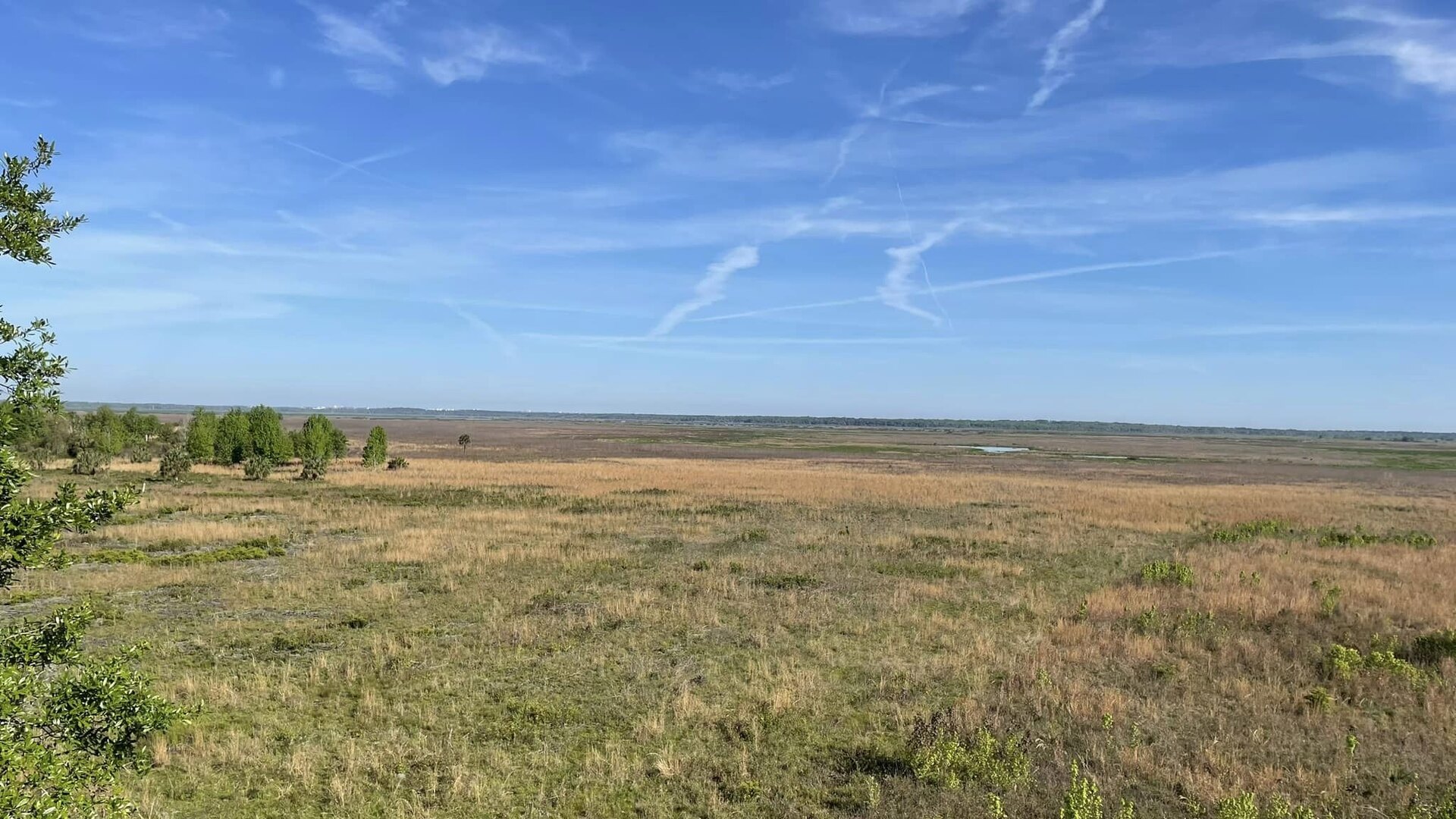
Myakka River State Park changes with Southwest Florida's two seasons. In the dry season, roughly November through April, water recedes, trails are firm, bugs are lighter, and alligators and wading birds concentrate around the remaining water, but crowds are at their heaviest. In the wet season, roughly late May through October, the river can spread across the floodplain, trails and sometimes roads go underwater, heat and mosquitoes peak, and afternoon thunderstorms are common. Most families with young children do best from late fall through early spring, arriving early in the day.
Families often ask us what month is best for Myakka River State Park, and the honest answer is that it depends on which Myakka you want. The park sits on a river floodplain, and the water level decides almost everything: which trails are walkable, where the alligators are, how many mosquitoes find you, and how many other cars are in the lot.
After 18 years of hosting guests in Southwest Florida, we have sent families there in every month of the year. Some came back thrilled and some came back soaked and bitten. The difference was almost always timing and packing, so here is how the park changes through the year.
Why does the season matter so much at Myakka?
Southwest Florida does not really have four seasons. It has a wet one and a dry one. Summer rain fills the Myakka River until it spills out of its banks and across the surrounding marshes, prairies and hammocks. That is not a malfunction. The floodplain is supposed to flood, and the plants and animals there depend on it. Through the winter the rain mostly stops, the water slowly drains and evaporates, and the river shrinks back toward its channel and the two lakes.
The timing shifts from year to year. A dry June can leave the park looking like winter, and a tropical system in October can keep water high into November. Treat the calendar as a guide and check current conditions before you drive.
What is Myakka like in the winter dry season?
This is the easy version of the park, and the one we recommend for a first visit with children. Trails are firm and mostly dry. Mornings are cool enough for a real walk. Mosquitoes are far lighter, though not always absent. The canopy walkway, the boardwalk over the lake, and the unpaved trails are generally all open.
Wildlife viewing is also at its most reliable. As the water recedes, fish get concentrated in what remains, and the birds and alligators follow them. You will usually see alligators sunning on the banks on cool, bright days, because they need the warmth. Wading birds gather in the shallows, and winter brings migratory visitors too. Our family birdwatching guide to Myakka covers where to stand and what children can realistically spot.
The cost of all this is company. Winter is peak visitor season across the region, and weekends and school-break weeks can be busy enough that parking fills near the popular stops. Arrive close to opening time, or come on a weekday. Late in the dry season, usually spring, the lakes can get very low, and boat tours may be limited or paused when there is not enough water to run them.
What changes in the summer wet season?
Summer Myakka is green, loud with frogs, and nearly empty of people. It is also hot, humid and wet underfoot. As the river rises, low sections of trail go under first, then more of the backcountry. In high-water years the flooding can cover parts of the park road and close areas of the park, or occasionally the whole park, until it drops.
Wildlife is still there, but it spreads out. With water everywhere, alligators and birds have no reason to gather at a few spots, so you may see fewer animals from the usual viewpoints. Alligators can also turn up in places that were dry ground in February, including flooded trail edges and roadside ditches. Keep the same distance rules in every season, and never let children wade in floodwater. We go through the specifics in our guide to watching alligators and herons safely with kids.
Two more things define summer. Mosquitoes and biting flies are at their worst, especially in shaded hammocks and at dawn and dusk. And afternoon thunderstorms build on most days, often with frequent lightning. Plan to be done with open areas, towers and the water by early afternoon.
How do the seasons compare side by side?
| Dry season (about Nov-Apr) | Wet season (about late May-Oct) | |
|---|---|---|
| Trails | Firm and mostly open | Muddy to underwater; closures possible |
| Wildlife | Concentrated near remaining water | Spread out across the floodplain |
| Bugs | Lighter | Heavy, especially in shade |
| Heat | Cool mornings, mild days | Hot and humid; afternoon storms |
| Crowds | Busiest, especially weekends | Quiet |
| Boat tours | Usually running; may pause if water is very low | Depend on conditions and weather |
Which months work best for families?
- November and early December: our favorite window. Water is dropping, the air is cooling, and the winter crowds have not fully arrived.
- January through March: the most comfortable weather and dependable wildlife, with the most visitors. Go early and go midweek if you can.
- April and May: warm to hot, very dry, and quieter. Low water gathers wildlife tightly, but check whether boat tours are operating.
- June through September: for families who know what they are getting. Keep the visit short, stay on the paved road and raised structures, and finish before the storms.
- October: a transition month. It can be lovely or still flooded, depending on the year's rain.
Pick your month for the water level, not the calendar, and Myakka will make sense.
What should we pack for the conditions we will actually find?
In every season, bring more drinking water than you think you need, sun protection, and binoculars if you have them. Children stay interested far longer when they can see the animal clearly from a safe distance. Beyond that, pack for the season.
- Dry season: a light layer for cool mornings, closed-toe walking shoes, hats, and a little insect repellent just in case.
- Wet season: insect repellent for everyone, lightweight long sleeves and pants, shoes that can get wet and muddy, rain jackets, a dry bag for phones, and a full change of clothes and towels left in the car.
- Any season: snacks, since food options in the park are limited and can vary, and a plan for where to retreat if lightning starts.
How should we plan the day from the coast?
Myakka is an inland day trip from our Gulf-side homes, and it pairs well with a slow beach day before or after. Guests staying at Seaside Boca or Estero Escape usually leave early, spend the morning in the park, and are back near the water by mid-afternoon, which also keeps them ahead of summer storms. For the stops themselves, including the canopy walkway and whether a boat tour is worth it for your group, start with our main Myakka River State Park guide.
One habit is worth more than any packing list: check the park's official page or call the ranger station the day before. They post flooding closures, trail conditions and tour status, and that five-minute check has saved many of our guests a long drive to a closed gate.
Myakka by Season: Questions Families Ask Us
What is the best month to visit Myakka River State Park with kids?
For most families, November through March is the most comfortable stretch, with firm trails, cooler mornings, fewer bugs and dependable wildlife viewing. November and early December are often quieter than the peak winter weeks. Conditions vary by year, so check the park's current status before you go.
Does Myakka River State Park flood in summer?
Yes. The park is a river floodplain, and during the wet season the Myakka River regularly spreads over low trails and marshes. In high-water years flooding can cover parts of the park road and close sections of the park, or sometimes the entire park, until water recedes.
When is the best time to see alligators at Myakka?
The dry season is usually best. As water recedes through winter and spring, alligators gather around the remaining water and often sun themselves on the banks on cool, bright days. In summer they spread out across the flooded landscape and can be harder to spot from the usual viewpoints.
How bad are the mosquitoes at Myakka?
They are heaviest in the wet season, especially in shaded hammocks and around dawn and dusk. In the dry season they are much lighter but not always absent. Insect repellent and lightweight long sleeves make a real difference in summer.
Do the boat tours run all year?
Not always. Tours depend on water levels and weather, so they may be limited or paused when the lake is very low late in the dry season, during high-water closures, or when storms are nearby. Confirm directly with the park or the tour operator before planning your day around one.
Is it safe to walk flooded trails with children?
We advise against it. Floodwater hides uneven ground, and alligators and snakes may be using areas that are normally dry. Stay on open, dry trails, the paved road and raised structures, and follow any closures the rangers have posted.

Travel DRD - Free Land Vacations — IATA certified, IATAN and ASTA members, hosting families since 2007. We manage every home in this collection ourselves.
Last updated: October 1, 2026