
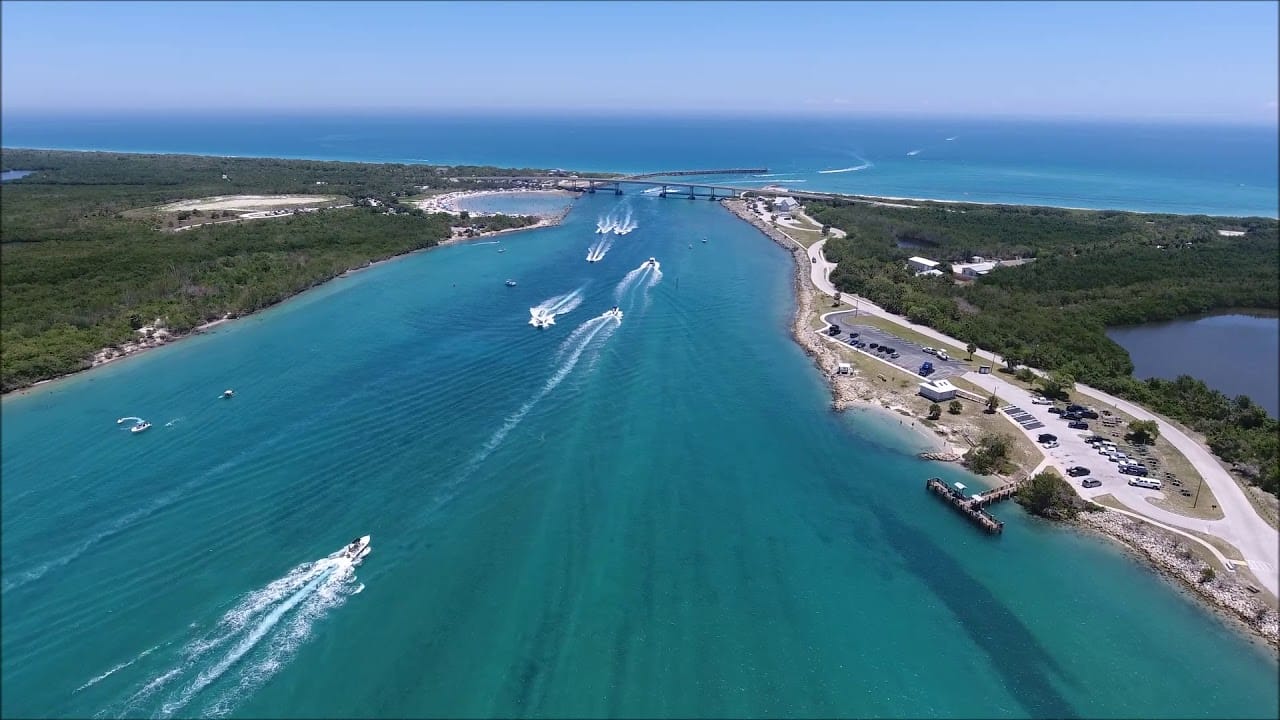
The cove at Sebastian Inlet State Park is a shallow, protected swim area on the inside of the inlet, away from the Atlantic surf, so families with young children often choose it. The water is usually calmest and clearest around high tide and slack water, and weekday mornings are the quietest time. There is very little natural shade, so bring your own. Keep children well away from the main inlet channel, where the current is strong, and pair the cove with a short supervised walk on the jetty.
When guests with toddlers ask us where to swim near Vero Beach, our answer is usually not the ocean. The Atlantic side of Sebastian Inlet is known for its surf, and that's great for teenagers on boogie boards. A three-year-old who wants to splash, dig, and sit in water up to their belly needs something else. That's the cove: the sheltered, shallow water on the inside of the inlet, where the waves have already broken up before they reach you.
This guide sticks to the cove itself: when it's calm, where to set up, what to bring for shade, and when to arrive. If you're planning a full day with fishing and the beach, start with our broader family day at Sebastian Inlet State Park guide and use this one to plan the swimming part.
What exactly is the cove, and why do families pick it?
Sebastian Inlet is a man-made channel that joins the Atlantic Ocean to the Indian River Lagoon, and jetties line both sides. The cove is a protected pocket of water on the inside of the inlet, on the south side of the park, which is the side you reach first when you drive up from Vero Beach. The bottom is mostly sand, the water is shallow for a good distance out, and the jetty and shoreline block most of the ocean swell.
Small children get a few things here that the surf beach can't give them. Nothing knocks them over. Parents can sit in a low chair at the water's edge and stay within arm's reach. And the shallow water warms up and is often clear enough to see small fish and crabs moving over the sand. For a lot of families, that alone fills a morning.
When do tide and current make the cove calm?
Every few hours, water moves in and out of the inlet with the tide. That flow is why the inlet is famous for fishing, and it's also the main thing to understand before you swim. Out in the main channel, the current can be very strong, and it is no place for children or weak swimmers. The cove is protected from most of that flow, but what the tide is doing still changes how the cove feels.
- Around high tide: the incoming tide brings in clearer ocean water. The cove is fuller, and the wading area is wider and usually the most pleasant.
- Slack water: the short window when the tide turns and the current eases. This is the calmest time in and around the inlet.
- Strong outgoing tide: lagoon water drains out, so visibility can drop and you'll notice more pull toward the channel. Keep little ones closer to shore.
- Low tide: the cove gets shallower, sometimes very shallow. That suits crawlers and toddlers, but there's less real swimming room.
Check a tide chart for Sebastian Inlet the night before. Free apps and NOAA tide predictions both work, and the times can differ a bit from the open beach. Wind matters too: a strong onshore wind makes even protected water choppier. For a refresher on reading water before kids go in, our beach safety field guide covers it.
Check the tide before you swim. It decides more about your day in the cove than the weather does.
Where should we park and set up?
Sebastian Inlet State Park charges a per-vehicle day-use entrance fee. Rates change from time to time, so check the current amount on the Florida State Parks website. Because the A1A bridge splits the park into north and south sides, make sure you enter on the side where the cove is. If you're not sure, ask at the entrance station. The rangers answer this question all the time.
Once you're parked, here's how we like to set up:
- Pick a spot with a clear view of the water and not too far from the car. Toddler gear is heavy, and you'll make more than one trip.
- Set up on the sand right at the waterline, not up the beach. You want to be able to see the kids while sitting down.
- Face the setup so the jetty and channel are behind the kids' play area, not between you and them.
- Agree on a boundary with older kids before anyone gets wet, such as a landmark they don't wade past.
- Keep shoes on until you're at the water. The sand and pavement get hot, and there can be shell fragments near the rocks.
What should we pack for shade and comfort?
Plan on bringing all of your own shade. There's little natural cover near the waterline, and the Florida sun reflects off shallow water and pale sand, so you get it from above and below. Here is what we'd put in the car:
- A beach umbrella with a sand anchor, or a small pop-up shade tent. Check current park rules on canopies before you go.
- Long-sleeve rash guards and wide-brim hats for the kids. These hold up better than sunscreen alone during hours in the water.
- Reef-friendly sunscreen, reapplied after every long swim.
- Water shoes for wading near the rocks and the jetty base.
- More drinking water than you think you need, plus frozen water bottles that work as ice packs.
- A small mesh bag of sand toys, which shakes clean, and a bucket for looking at crabs before you let them go.
- A dry change of clothes and a towel for each child for the ride home.
What time should we go to avoid crowds?
The cove is a well-known local spot, and the small beach fills up. In our experience, the pattern is pretty consistent:
| Crowd level | Why | |
|---|---|---|
| Weekday early morning | Lightest | Mostly anglers, who stay on the jetty rather than the beach |
| Weekday late morning | Moderate | Families arrive as the day warms up |
| Weekend midday | Busiest | Locals and visitors at the same time, and parking can fill |
| Late afternoon | Thinning | The crowd leaves, but summer storms often build in the afternoon |
Our favorite plan is to arrive soon after the park opens on a weekday, swim for two or three hours, and leave around lunch, before the heat and before the summer afternoon thunderstorms that are common along the Treasure Coast. If you hear thunder, get everyone out of the water and head to the car.
How do we add a short jetty walk to the same trip?
The jetties are one of the classic things to see at Sebastian Inlet. Walking out over the water, kids can watch the current, spot fish, and see pelicans waiting near the anglers. A short walk is a good way to dry off after swimming.
- Hold hands with small children the whole time. The jetty is open to the water and often has wet patches.
- Give anglers room. Fishing lines and swinging hooks are the real hazard out there, so walk behind people, not between them and the water.
- Do it after swimming, not before. Kids who've had their splash time are happier to walk slowly.
- Don't plan to walk the whole length. Going partway and back is plenty for little legs.
If the jetty gets your kids interested in fishing, our guide to fishing the Sebastian Inlet jetties with kids covers north versus south, tides, and a simple half-day plan.
How does this fit into a stay in Vero Beach?
The inlet is an easy drive north on A1A from Vero Beach, so a cove morning fits into almost any trip without taking the whole day. Families staying with us at Vero Oaks often go early, come back for lunch and naps, and leave the afternoon open for the pool or a quiet stretch of beach closer to the house. With young kids, that kind of short outing usually works better than trying to fit everything into one long, hot day.
Questions Families Ask Us About the Sebastian Inlet Cove
Is the Sebastian Inlet cove safe for toddlers?
It's one of the calmest places in the area for young children, because it's shallow and protected from the ocean surf. Still, it's open water, and you shouldn't count on a lifeguard being on duty, so an adult should stay within arm's reach of non-swimmers. Keep everyone well away from the main inlet channel, where the current is strong.
What tide is best for swimming in the cove?
Many families like the hours around high tide, when clearer ocean water fills the cove and there's more room to wade. Slack water, when the tide is turning, is usually the calmest. Check a Sebastian Inlet tide chart the night before and plan your arrival around it.
Is there shade at the cove?
Very little near the waterline, so bring your own: an umbrella with a sand anchor or a small shade tent, plus rash guards and hats for the kids. Check current park rules on canopies before you go.
Do we have to pay to get into the cove?
The cove is inside Sebastian Inlet State Park, which charges a per-vehicle day-use entrance fee. The amount can change, so check the Florida State Parks website for the current rate before your visit.
When is the cove least crowded?
Weekday mornings, soon after the park opens, are usually the quietest. Weekend middays are the busiest, and parking can fill. Leaving by early afternoon also helps you miss the summer thunderstorms that often build later in the day.
Can young kids walk on the Sebastian Inlet jetty?
Yes, with close supervision. Hold their hands, watch for wet patches, and give anglers plenty of room so no one gets close to a swinging hook or line. A short walk partway out and back is usually enough for small children.

Travel DRD - Free Land Vacations — IATA certified, IATAN and ASTA members, hosting families since 2007. We manage every home in this collection ourselves.
Last updated: October 27, 2026