
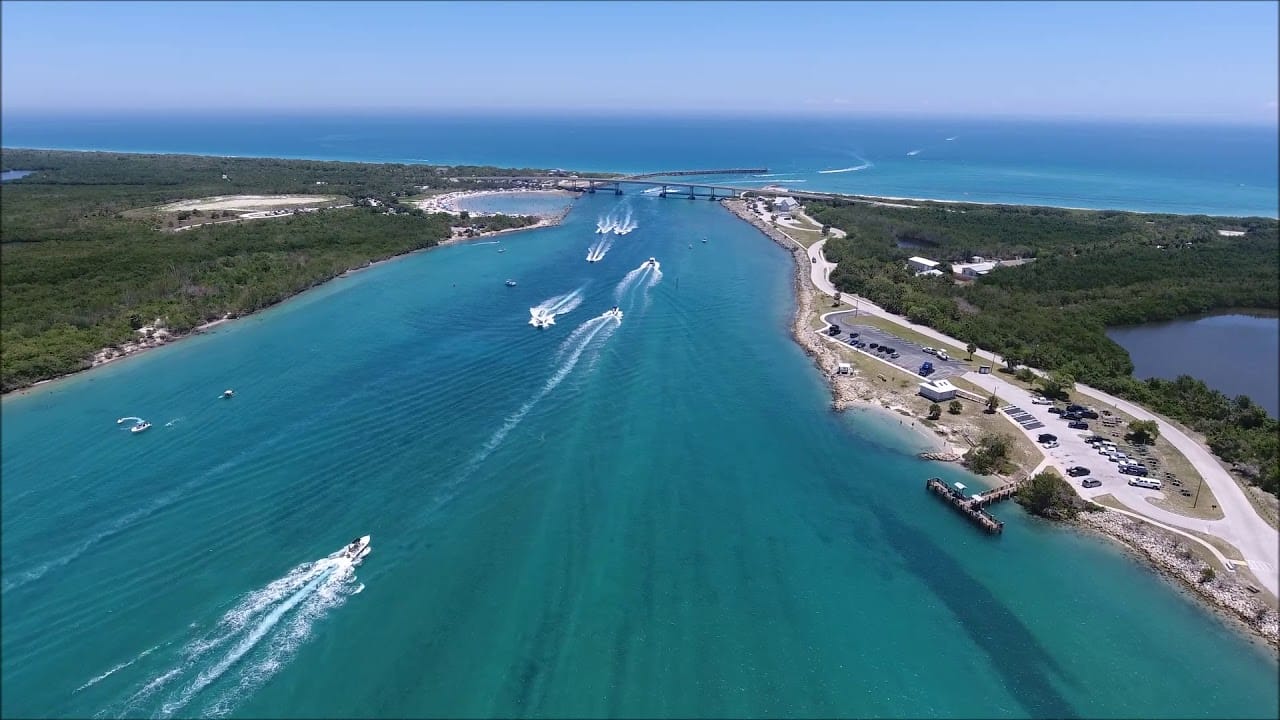
The calm place for families to paddle at Sebastian Inlet State Park is the Indian River Lagoon side, inside the inlet, not the inlet channel itself, where tidal currents run strong. Launch early in the morning, when wind is usually lightest. Plan around slack tide and stay well back from the inlet mouth and the A1A bridge. Kids may see bottlenose dolphins, manatees in warmer months, and wading birds like herons, egrets and pelicans.
Most people know Sebastian Inlet for the jetty, the surf and the anglers lined up along the rails. Turn around and face west, though, and you see a different place: the wide, shallow water of the Indian River Lagoon, with mangrove edges and wading birds, and on a still morning, water flat enough for a six-year-old to paddle without help.
We've sent a lot of guest families up A1A from Vero Beach for a morning on the water. The ones who come back happy almost always got the same three things right: they went early, they checked the tide, and they stayed on the lagoon side, away from the inlet current. This guide covers how to do that.
Why the lagoon side, and not the inlet itself?
Sebastian Inlet is a man-made cut that connects the Atlantic Ocean to the Indian River Lagoon. Every tide pushes a large volume of water through that narrow channel. On an incoming tide the water rushes into the lagoon, and on an outgoing tide it drains back out to sea. In the channel and near the bridge, that current can be stronger than a child, or a tired adult, can paddle against.
Move away from the channel and into the lagoon and the water slows down a lot. The open lagoon is shallow and sheltered from ocean swell, so it feels more like a big lake than the ocean. The park's protected cove on the inside of the inlet works the same way for swimming, and we wrote a separate guide on the calm cove for little kids if your family wants to pair a paddle with a swim.
The rule we give every family: if the water is moving faster than you can paddle, you're too close to the inlet.
Where can we launch or rent kayaks and paddleboards?
Sebastian Inlet State Park has lagoon-side access, including a boat ramp and a marina area on the inside of the inlet. The park has had a concession that rents paddle craft, but rental offerings, hours and prices change. Check with the park or the concession before you count on renting there, especially on weekdays outside peak season.
If you're bringing your own boards or kayaks, here's what we'd tell a friend:
- Launch from a designated lagoon-side spot, not from the jetty or the ocean beach.
- Pick a launch with a gentle, sandy or shallow entry so kids can climb on in knee-deep water.
- Look at the water before you unload. If it's choppy at the launch, it will be choppier farther out.
- Bring a dry bag for phones and keys, and a bit more water than you think you'll need. Shade on the lagoon is scarce.
- Expect a state park entrance fee per vehicle. Have it ready so you aren't stuck in line at the gate while the calm morning slips away.
How do we time tides and wind so the water stays calm?
Two things decide whether your paddle feels easy or like work: tide and wind. You can plan around both the night before.
- Look up the tide predictions for Sebastian Inlet. Currents near the inlet are usually weakest around the turn of the tide (slack water near high or low) and strongest in between.
- Plan to be on the water early. Mornings are often the calmest part of the day. In warmer months a sea breeze commonly builds by late morning or early afternoon.
- Check the wind forecast, not just the rain chance. The lagoon is shallow and open, so even a moderate wind can raise chop that makes paddleboards wobbly for kids.
- In summer, watch the afternoon sky. Thunderstorms often build in the afternoon in Florida, and lightning on open water is a real hazard. Plan to be off the water before storms tend to form.
- Paddle into the wind first, so the trip back is the easy half when everyone is tired.
If the forecast shows a strong wind, don't fight it. Go for a walk, fish from the shore, or try again the next morning. The lagoon will still be there.
What wildlife might our kids see?
This is the part kids remember. The Indian River Lagoon is one of the most biologically diverse estuaries in North America, and you don't need to paddle far to see it. If you want the bigger picture of why this water matters, our guide to the Indian River Lagoon covers it.
- Bottlenose dolphins live in the lagoon year-round. You'll often hear the exhale before you see the fin.
- West Indian manatees are more common in the warmer months. In cold snaps they move to warmer water, so winter sightings are less predictable.
- Wading birds like great blue herons, great egrets, little blue herons and, with some patience, roseate spoonbills feed along the shallow edges.
- Brown pelicans and ospreys work the water from above. Kids love watching a pelican fold up and dive.
- Small fish and rays show up in the clear shallows on calm days, which is one more reason to go before the wind stirs up the bottom.
Manatees and dolphins are protected under state and federal law. Teach kids the simple version before you launch: look, don't touch, don't feed, don't chase. If a manatee comes near your kayak, stop paddling and let it pass. Watching quietly gets you a longer look anyway.
What should we know about safety with young paddlers?
- Put every child in a properly fitted life jacket and keep it on the whole time, not stowed under a seat.
- Use a leash on paddleboards so the board stays with the rider after a fall.
- Put younger kids in a tandem kayak with an adult rather than on their own board.
- Stay close to the shoreline and in shallow water, where a fall means standing up, not treading water.
- Keep outings short with small kids. Forty-five calm minutes beats two hours of a tired, sunburned crew.
- Watch for powerboats near the marina and channels. Stay to the edges and assume they haven't seen you.
How do we plan the morning from a Vero Beach rental?
From Vero Beach, Sebastian Inlet State Park is an easy drive north on A1A, with ocean views a lot of the way. When guests stay with us at Vero Oaks, we suggest packing the car the night before (boards or rental plan, life jackets, sunscreen, water, snacks, dry bag) so you can leave right after an early breakfast and get to the water while it's still calm.
A good rhythm: paddle first, then move to the cove for a swim or walk out to the jetty to watch the anglers, and be heading home for lunch and a nap before the afternoon heat and storms. Our full family day guide to Sebastian Inlet covers the jetty, the fishing and how we spread a day out there.
Early water, short paddle, long lunch. That's the whole plan, and it works.
Questions Families Ask Before Paddling Sebastian Inlet
Is it safe to kayak or paddleboard at Sebastian Inlet with kids?
Yes, on the lagoon side with the right timing. The inlet channel has strong tidal currents and isn't a place for young paddlers. Stay in the shallow, sheltered lagoon, go out in the calm morning hours, and keep kids in fitted life jackets the whole time.
Can we rent kayaks or paddleboards at Sebastian Inlet State Park?
The park has had a concession on the lagoon side that rents paddle craft, but offerings, hours and prices can change. Call the park or check its official page before your trip. If rentals aren't running, outfitters in the Sebastian and Vero Beach area may be an option.
What is the best time of day to paddle the Indian River Lagoon?
Early morning is usually best. Wind tends to be lighter, the water is clearer, and in summer you're off the water before the afternoon heat and thunderstorms. Check the tide too, and plan near slack tide if you'll be anywhere close to the inlet.
Will we see manatees while paddling near Sebastian Inlet?
It's possible, especially in the warmer months, but sightings are never guaranteed. Manatees move to warmer water during cold spells, so winter sightings are less predictable. Dolphins and wading birds are more dependable, and you'll often see them year-round.
How far is Sebastian Inlet from Vero Beach?
It's a short, scenic drive north along A1A from Vero Beach, which makes it an easy morning outing from a rental there. Allow extra time on busy weekends for the line at the park entrance.
What should we bring for a family paddle on the lagoon?
Bring life jackets for everyone, sunscreen, hats, plenty of water, snacks and a dry bag for phones and keys. Add a paddleboard leash, water shoes for shell-covered shallows and a towel for each person. The lagoon has little shade, so sun protection matters more than people expect.

Travel DRD - Free Land Vacations — IATA certified, IATAN and ASTA members, hosting families since 2007. We manage every home in this collection ourselves.
Last updated: November 22, 2026