
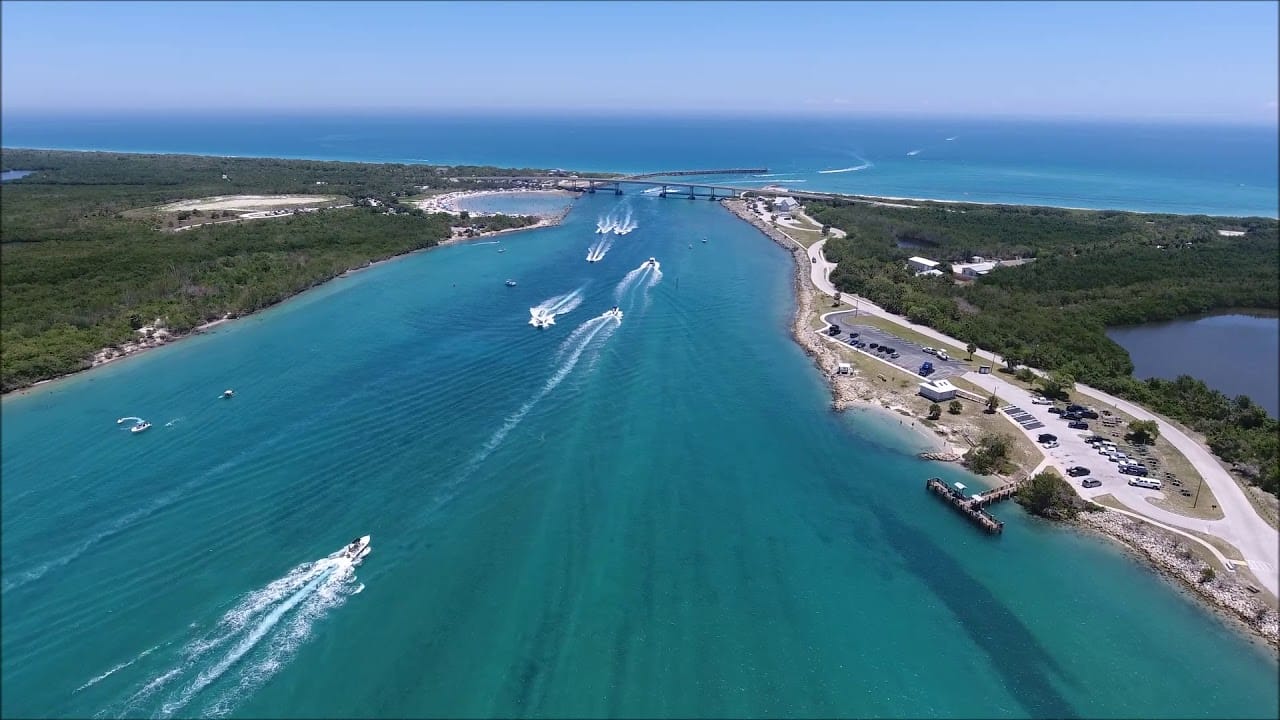
Sebastian Inlet State Park has two small museums. The McLarty Treasure Museum sits south of the inlet and tells the story of the 1715 Spanish fleet lost in a hurricane off this coast. The Sebastian Fishing Museum is on the north side and covers the area's commercial fishing history. Each takes roughly 30 to 60 minutes with children, and both fit easily into a morning at the beach or the jetty. Confirm current hours and fees with Florida State Parks before you go.
Most families come to Sebastian Inlet for the jetty, the surf, and the calm cove. Few plan to spend time in a museum. Then a rainy hour, a sunburned shoulder, or a child who asks why this stretch is called the Treasure Coast sends them indoors, and that hour often turns into the part of the trip the kids talk about at dinner.
There are two small museums inside the park, one on each side of the inlet. Neither is big, and that's a big part of why they work for families. You can see either one properly before anyone gets restless, then be back in the sand by lunch. Here is how we explain them to the guests we host, and how we'd fit them into a morning from Vero Beach.
What are the two museums, and where are they?
Sebastian Inlet State Park sits on the barrier island where the Indian River Lagoon meets the Atlantic. The park spans the inlet, so it has a north side and a south side, joined by the A1A bridge. Each side has its own museum.
- McLarty Treasure Museum (south side): This is the shipwreck museum. It stands on the site where survivors and salvagers of the 1715 Spanish fleet camped after the wreck. You'll find artifacts, a diorama of the salvage camp, a short film, and a deck looking out over the ocean.
- Sebastian Fishing Museum (north side): A smaller, quieter room near the marina area. It covers the families and boats behind the region's commercial fishing history: nets, gear, photographs, and how a fish house worked.
Coming from Vero Beach, you reach the McLarty museum first as you drive north on A1A, before you get to the inlet. The fishing museum is just over the bridge.
What happened in 1715, and why does it matter here?
In the summer of 1715, a Spanish fleet loaded with silver, gold, and goods from the Americas left Havana for Spain. A hurricane caught the ships along this part of Florida's Atlantic coast and drove most of them onto the reefs and shallows. Many sailors died. Survivors made it ashore and set up camps, and the Spanish later ran salvage work from this coastline to recover what they could.
For kids, that's the hook. The coins and artifacts in the cases came out of water they may have swum in that same week, and the museum stands on ground where survivors actually lived. Before you go in, we tell children to look for three things: something made of silver, something a sailor would have used every day, and the diorama showing how the salvage camp was laid out. It gives them a job to do instead of a room to wander.
The best treasure at Sebastian Inlet is the story. The beach you just swam at is part of it.
How long should you plan to stay with kids?
Both museums are small on purpose, and that suits young families. Here's how the time usually breaks down for the families we host:
| McLarty Treasure Museum | Sebastian Fishing Museum | |
|---|---|---|
| Typical visit with kids | About 45 to 60 minutes, including the film and deck | About 20 to 40 minutes |
| Best ages | School-age kids who like pirates, ships, or history | Kids who fish, or anyone curious about boats |
| Best moment | Stepping out onto the deck after the film | Comparing old fishing gear with what's on the jetty today |
| Good for a rainy hour | Yes | Yes, especially combined with the marina area |
If you only have time for one, choose McLarty for the shipwreck story. If your family is spending the day fishing the north jetty, the fishing museum is an easy add-on, since you'll already be on that side.
What is the ocean overlook at McLarty like?
For many visitors, the deck behind the McLarty museum is the highlight. It looks out over the dunes to the Atlantic, toward the water where the fleet went down. Older kids get it right away: the ships were out there, the survivors came ashore here, and the camp was on this spot.
The deck is a good place to slow down. Bring binoculars if you have them. Depending on the season and the morning, families sometimes spot pelicans, dolphins, or fishing boats working the coast. It's also a natural stop before heading back to the car, so the visit ends outside rather than on the way to the gift counter.
How do park entry and hours work?
Both museums are inside a Florida state park, so you'll pay the park's entry fee at the gate. The McLarty museum has historically charged its own small admission on top of park entry. Fees and hours have changed over the years, so we won't quote numbers here. Check the official Sebastian Inlet State Park page on the Florida State Parks website the week you visit.
- Both museums keep daytime hours and close well before sunset, so plan them for the morning or early afternoon.
- Hold onto your park entry receipt. If you plan to visit both sides of the inlet in one day, ask at the gate how your receipt works for the other entrance.
- Small museums sometimes close for maintenance, staffing, or storm cleanup. A quick check before you leave saves you a wasted drive.
- Collecting artifacts on state park land is not allowed. If a child finds something that looks old on the beach, take a photo, leave it where it is, and tell a ranger.
How do you pair a museum visit with a beach or jetty morning?
From a Vero Beach rental like Vero Oaks, the drive north on A1A runs between the ocean and the lagoon, and it's one of the prettier short drives in the area. Here is the order we suggest to families:
- Leave early. Sebastian Inlet's parking and beaches are calmest early in the day, especially on weekends and holidays.
- Start outside while it's cool. Spend the first stretch at the beach or on the jetty, depending on what your family likes.
- Move indoors as the sun gets strong. Mid-morning, when kids are hot and sandy, is a good time for the McLarty museum, its film, and the deck.
- Cross the bridge if you have time. Visit the fishing museum and walk the marina area on the north side.
- Have lunch and head home. Rinse off at the house, then rest. The afternoon is free.
For the full outdoor side of the day (where the calm cove is, how the jetties work, and what to pack), see our family day guide to Sebastian Inlet State Park. If the 1715 story hooks your kids, you can follow it with a different kind of wreck closer to Vero: the Breconshire, a shipwreck you can swim to from the sand when conditions allow.
How do you make the history stick for kids?
The families who get the most from these museums treat them as part of the beach day, not a break from it. A few things that help:
- Tell the basic 1715 story in the car on the way up, so the museum answers questions kids already have.
- Let kids keep a simple tally on the beach afterward: ships, pelicans, fishing lines, shells.
- Ask, "Where would you have built the survivors' camp?" Then compare their answer with the diorama.
- At the fishing museum, have kids pick one old tool and find its modern version on the jetty or in the marina.
If your family wants more than a day trip, the park also has a campground right on the water. Our guide to camping at Sebastian Inlet with kids covers booking and planning one or two nights there.
Questions Families Ask Us About the Sebastian Inlet Museums
Are the McLarty Treasure Museum and Sebastian Fishing Museum in the same place?
No. Both are inside Sebastian Inlet State Park, but on opposite sides of the inlet. McLarty is on the south side, which you reach first driving north from Vero Beach. The fishing museum is on the north side near the marina area, across the A1A bridge.
Is the McLarty Treasure Museum worth it with young children?
For most families, yes, because it's small and the story is concrete. Children connect with the idea that real ships sank just offshore and survivors camped on this spot. Plan on about 45 to 60 minutes including the film and the ocean deck. Very young toddlers may enjoy the deck more than the cases.
Do I pay separately for the museums?
You pay the state park entry fee at the gate. The McLarty museum has historically charged a small separate admission. Fees change, so check the official Florida State Parks page for Sebastian Inlet before you go.
Can kids look for treasure on the beach at Sebastian Inlet?
Kids can certainly walk the beach and look, but collecting artifacts on state park land is not allowed. If they find something that looks historic, take a photo, leave it in place, and tell a ranger. That way the find stays part of the record.
What's the best time of day to visit the museums?
We suggest the beach or jetty first thing in the morning while it's cooler, then the museum mid-morning when the sun gets strong. Both museums keep daytime hours, so don't save them for late afternoon.
Is this a good rainy-day plan from Vero Beach?
Yes. Both museums are indoors, and the drive up A1A is pleasant even under clouds. Check that both are open that day, since small museums sometimes close for maintenance or after storms.

Travel DRD - Free Land Vacations — IATA certified, IATAN and ASTA members, hosting families since 2007. We manage every home in this collection ourselves.
Last updated: November 15, 2026