
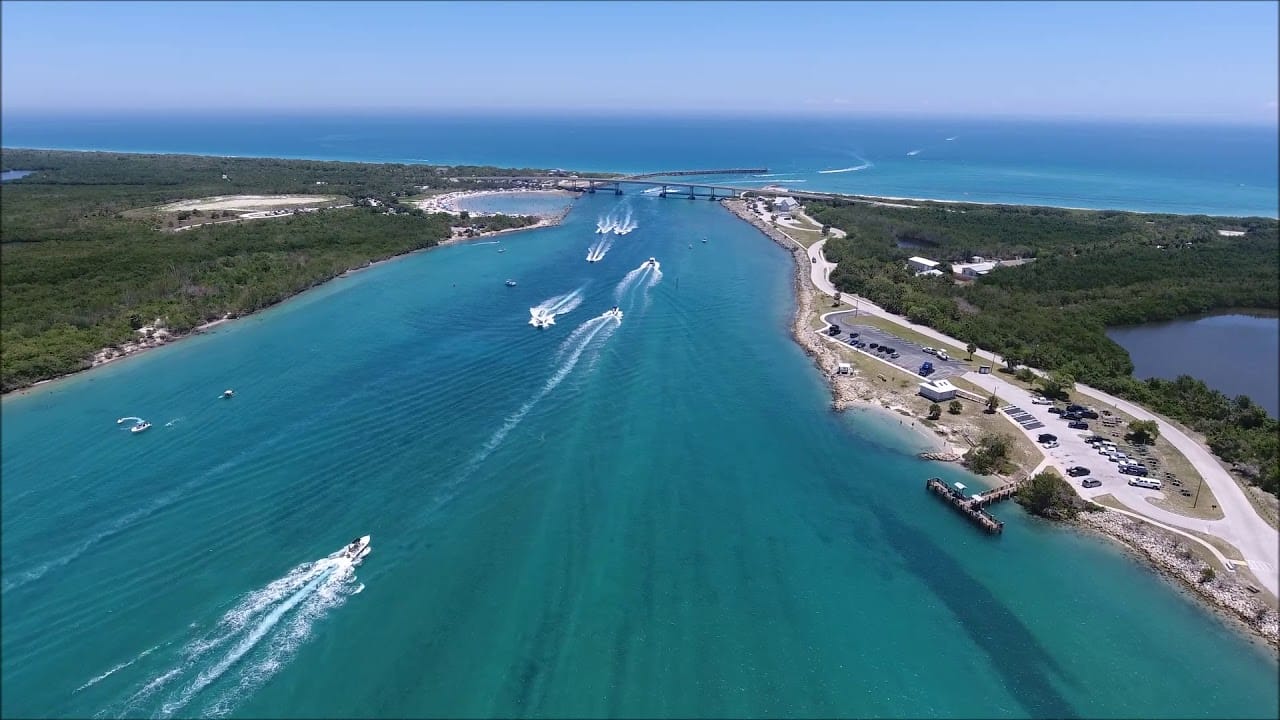
Florida's sea turtle nesting season runs generally from May through October, and the Atlantic beaches around Sebastian Inlet and north Orchid Island are part of one of the densest loggerhead nesting shorelines in the world. Females come ashore at night to lay eggs; hatchlings emerge later and crawl toward the brightest, lowest horizon, which is supposed to be the open Gulf Stream, not a porch light. Families can watch responsibly by staying off marked nests, using only amber or red light after dark, and never touching a turtle or disturbing a crawl. Confirm current rules with the Florida Fish and Wildlife Conservation Commission before you go.
If you stay with us at Vero Oaks between late spring and fall, you're a few minutes from one of the most important nesting shorelines in the world for loggerhead sea turtles. Florida hosts the vast majority of loggerhead nests in the United States, and the barrier island beaches that run from Melbourne Beach down through Vero Beach and past Sebastian Inlet are some of the most active stretches of that shoreline anywhere on the Atlantic coast.
This guide is about what to expect and how to behave on the beach during that season, whether you're walking the sand near our Vero Oaks property or spending a morning at Sebastian Inlet State Park itself. If you're planning the swimming part of a Sebastian Inlet trip, pair this with our calm-water cove guide.
When is sea turtle nesting season on the Treasure Coast?
Florida's sea turtle nesting season is generally observed from May 1 through October 31. On this stretch of the Atlantic coast, loggerheads are the dominant species, with green turtles also nesting in meaningful numbers and the occasional leatherback showing up earlier in the spring. Nesting runs heaviest from late May through August, and hatching follows roughly two months behind each nest, so a family visiting in July is more likely to see fresh crawls and marked nests, while a September or October stay is more likely to coincide with hatchlings emerging.
How do I know a nest is there, and what does the marking mean?
Permitted surveyors walk these beaches at sunrise during nesting season looking for crawls, the tractor-tread-like tracks a female leaves coming up from and returning to the water. When a nest is confirmed, it's marked, usually with wooden stakes and tape, and sometimes with a screened cage over the top to deter predators like raccoons and ghost crabs. Some nests get flagged for relocation if they're laid in a spot too close to the waterline or in an area with heavy foot traffic, but most are left exactly where the turtle put them.
- Staked and taped areas are off-limits. Don't move chairs, umbrellas, or toys inside the marked boundary.
- A screened or caged nest is still an active, protected nest. The cage keeps predators out, not people out, so the rule still applies.
- Nest markers can be weeks old by the time you see them. Give every marked nest the same distance, early or late in the season.
A marked nest isn't a suggestion. It's the only thing between a beach chair and a hundred eggs that are already there.
Why does beach lighting matter so much here?
Hatchlings find the water at night by orienting toward the brightest, lowest part of the horizon, which on a naturally dark beach is reflected moon and starlight over the ocean. Artificial light from homes, hotels, and streetlights can be brighter than that natural horizon, and it pulls hatchlings the wrong way, inland toward roads, pools, and dry sand where they dehydrate or are hit by cars. Nesting females face the same problem: bright beachfront lighting can discourage a female from nesting at all, or cause her to abandon an attempt partway through.
Coastal communities along this part of Florida take lighting seriously enough to write it into local ordinances, which is why you'll notice amber-toned, shielded, low-mounted fixtures near many beachfront properties during nesting season. If you're staying in a rental near the beach, including one of ours, the practical routine is simple: after dark, close beach-facing blinds and curtains, turn off exterior lights that shine toward the sand, and if you walk the beach at night, use only a long-wavelength amber or red flashlight, never a white phone light. Read our beach safety field guide before any night walk, since footing and water conditions still apply after dark.
What should we do if we actually see a turtle or hatchlings?
Most nesting happens well after dark and most hatching happens quickly, at night, without anyone around to see it. Families who go looking for the moment usually miss it, and families who happen to be on the beach at the right time usually get lucky without planning for it. Either way, the response is the same: watch from a distance and let it happen without your help.
- If you see a large female coming ashore or digging, stay back, stay quiet, and do not use flash photography or white light. A disturbed female can abandon the nest.
- If you see hatchlings crawling toward the water, do not touch them, pick them up, or carry them. Let them crawl on their own; it's part of how they imprint on this beach.
- If hatchlings are moving toward a parking lot or lights instead of the water, don't intervene yourself. Call the FWC Wildlife Alert hotline.
- If you find an injured, stranded, or clearly disoriented turtle of any age, or a nest that looks disturbed or vandalized, report it rather than handling it.
Does nesting season change a normal beach day?
Less than most visitors expect. Swimming, shelling, and sandcastles in the daytime are unaffected by nesting season, and the cove and jetty at Sebastian Inlet are open exactly as described in our other Sebastian Inlet guides. What changes is what you leave on the sand at the end of the day. A deep hole dug for a sandcastle moat becomes a trap for a hatchling crawling to the water at night, or for a nesting female coming ashore. Beach furniture left out overnight can block a crawl path entirely.
- Fill in holes before you leave the beach each evening, no matter how small.
- Take chairs, umbrellas, and tents with you, or stack them well back from the waterline if your rental has a storage spot for it.
- Keep dogs leashed and away from dune vegetation and any marked nest area; many of these beaches restrict dogs seasonally.
- Give kids a job rather than a list of restrictions. Spotting fresh crawls on a morning walk or doing a quick hole check before dinner turns the rules into something they're proud of, not something they're told.
How does this fit a stay at Vero Oaks?
Vero Oaks sits three blocks from the beach on Orchid Island, the same barrier island that runs north to Sebastian Inlet, so a nesting-season stay here puts you inside the habitat, not just near it. A morning drive up A1A gets you to the inlet's cove and jetties in minutes, and the quiet residential beach near the house is often just as good for an early, unhurried look at fresh crawl tracks before the day gets hot. Guests who ask us about turtle season usually end up adding it to their kids' list of favorite parts of the trip, right alongside the jetty fishing and the cove swimming.
Questions Families Ask Us About Sea Turtle Season Near Sebastian Inlet
When is sea turtle nesting season near Sebastian Inlet?
Generally May 1 through October 31, with the heaviest nesting from late May through August and most hatching following about two months behind each nest. Loggerheads are the dominant species on this stretch of Atlantic coast, with green turtles also nesting here.
Can we walk the beach at night during nesting season?
Yes, night beach walks are allowed and are one of the better ways to experience the season. The rule is about light: use only a long-wavelength amber or red flashlight, never white light or a phone screen, and give any turtle or marked nest plenty of distance.
What happens if we touch or pick up a hatchling?
Don't. Sea turtles of every age are protected under federal and state law, and handling a hatchling can interfere with the imprinting process that helps it find its way back to this beach years later. Let them crawl to the water on their own.
What should we do with beach holes and chairs overnight?
Fill in any holes before leaving the beach, and take chairs, umbrellas, and tents with you or stack them well back from the waterline. Both can block a nesting female's path up the beach or trap a hatchling heading to the water.
What do we do if we find an injured or disoriented turtle?
Don't handle it. Call the Florida Fish and Wildlife Conservation Commission's Wildlife Alert hotline and let trained responders assess it. The same goes for hatchlings crawling toward lights or a parking lot instead of the water.
Does nesting season affect a normal beach day with kids?
Not much. Daytime swimming, shelling, and sandcastles are unaffected. What changes is end-of-day cleanup: fill in holes and clear furniture off the sand so nothing blocks a crawl path overnight.

Travel DRD - Free Land Vacations — IATA certified, IATAN and ASTA members, hosting families since 2007. We manage every home in this collection ourselves.
Last updated: October 29, 2026