
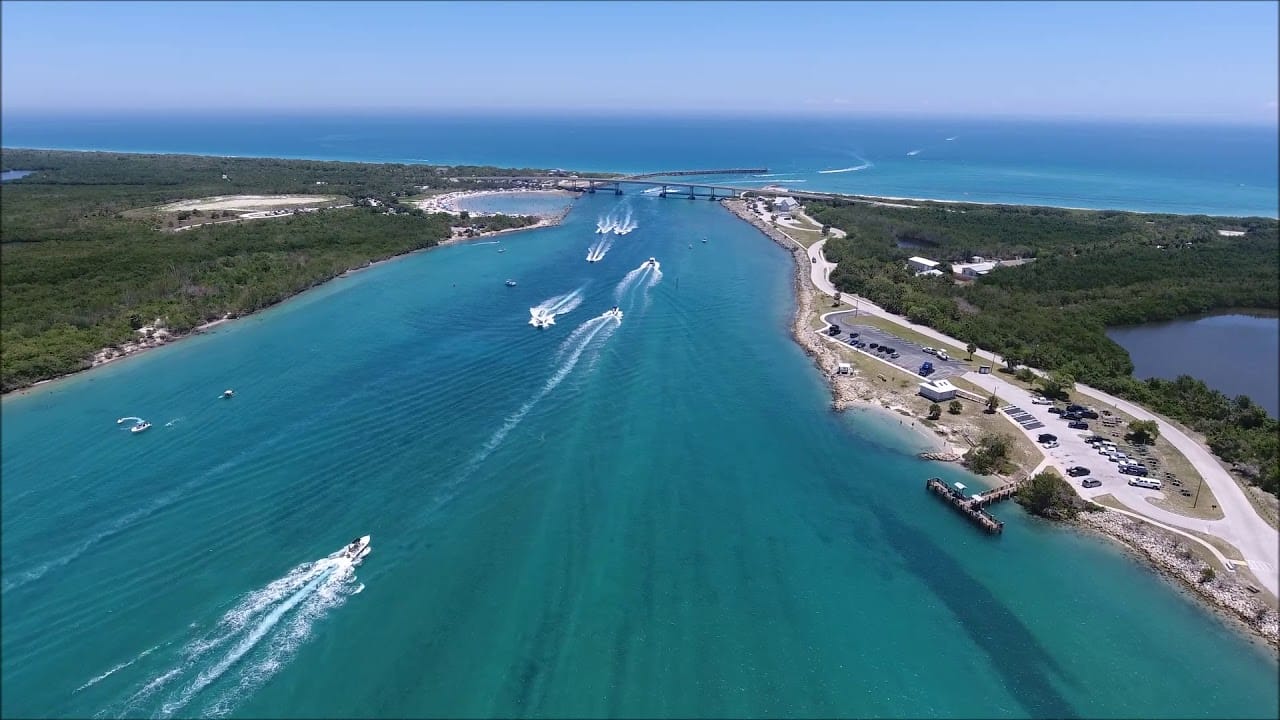
Sebastian Inlet State Park has a campground on the lagoon side of the park. You book it through the official Florida State Parks reservation system, and weekends and the cooler months fill early. For families, the biggest wins are a site with some shade or wind shelter, sand stakes, bug protection for dawn and dusk, and a plan that fits the calm cove and a short jetty walk around the tide. For long stays, babies and toddlers, summer heat, or storm weeks, a nearby Vero Beach rental is often the easier choice.
Guests ask us about this every year, usually a parent with a minivan, a tent still in its bag, and a kid who has never slept outside. A night at Sebastian Inlet looks easy on paper. In practice the wind, sand and evening bugs at the inlet are a different test from a backyard sleepover, and a little planning decides whether the kids remember it fondly or remember the no-see-ums.
This guide covers the overnight side: how booking works, choosing a site, packing for coastal conditions, and fitting the calm cove and the jetty around the tide. At the end we give an honest view of when a house a short drive south does the job better.
How do reservations work at the Sebastian Inlet campground?
Campsites are booked through the official Florida State Parks online reservation system, the same one used for state park campgrounds across Florida. You pick your dates, look at the site map, and reserve a specific site. Reservations open on a rolling window many months ahead, and this campground is popular. Weekends, school breaks and the cooler months from fall through spring are the first to go.
- Book as early as your plans allow. If you have a target weekend, check when its booking window opens and be ready that day.
- Watch for cancellations. Plans change, and sites do open up. Checking the system again in the days before a trip is worth the effort.
- Read the site details before you click. Each listing shows things like hookups, the type of equipment it fits, and the parking pad. A site that suits a small trailer may be awkward for a large tent.
- Know the check-in rules. Arrival times, quiet hours and the number of people and vehicles allowed per site are set by the park. Read them on your confirmation so nothing surprises you at the gate.
Fees and policies are set by the state and change from time to time, so we don't list prices here. The reservation page shows the current total before you pay.
Which kinds of sites work best for families with kids?
There's no single best site. It depends on your children's ages and what you're sleeping in. When we help families choose, we look at these things:
- Distance to the restroom and bathhouse. With little kids, a short walk at 2 a.m. matters more than a view.
- Shelter from the wind. A site with some vegetation on the breezy side is easier for tents and for cooking.
- Shade. Florida sun is strong for most of the year, and afternoon shade keeps a campsite usable.
- Room to play away from the road. A site that isn't right on the campground loop gives you a little more peace when kids are running around.
- Water views. Lovely, but often more exposed to wind and sun. They're worth it for older kids, less so for a toddler who naps.
With young kids, pick the site closest to the bathhouse over the one with the best view, every time.
What should we pack for the wind, sand and bugs?
Inlet camping is beach camping with a lagoon at your back. That means steady breezes, sand that gets into everything, and biting insects that come out when the wind drops. Pack for all three:
- Sand stakes or longer stakes plus extra guy lines. Standard short tent stakes often won't hold in loose sand on a breezy night.
- A low, sturdy tent if you have the choice. Tall cabin-style tents catch more wind.
- A tarp or ground cloth under the tent and a doormat or small rug at the door to keep sand outside.
- A screen shelter or bug netting. Tiny biting midges, often called no-see-ums, are common near the lagoon around dawn and dusk when the air is still. Mosquitoes can show up after rain.
- Insect repellent and long, light sleeves and pants for evenings.
- A lidded cooler with a latch and hard-sided food storage. Raccoons at coastal campgrounds are bold and quick.
- Headlamps for every child, and a lantern that won't blow over.
- A rinse jug or spray bottle for sandy feet before anyone gets into a sleeping bag.
One tip from experience: on a still, buggy evening, a small fan clipped inside the screen shelter or tent can help. The midges are weak fliers and steady moving air keeps many of them off you.
How do we fit in the calm cove and the jetty?
Camping gives you one big advantage over a day trip: you're already there in the early morning and the evening, when the light is soft and the park is quieter. The cove, a sheltered pocket of shallow water on the inside of the inlet, is the place for little ones to swim. Our little-kid guide to the cove covers tides, setup and shade in detail. If you're not sure which side of the bridge to head for, ask at the entrance station.
Check the tide chart the night before, the same way you'd check the weather. Plan cove time around the fuller, calmer tides and keep the jetty walk short, holding hands with small children, and give the anglers plenty of room. For the full picture of fishing, surf and the park's museums, see our family day at Sebastian Inlet guide.
- Evening: set up camp, short jetty walk at sunset, early dinner before the bugs arrive.
- Morning: coffee and breakfast at the site, cove swim on a good tide, pack up before the midday heat.
- If you stay two nights: use the middle day for the beach or the museums, and take a rest at the site in the hottest hours.
What weather should we plan around?
Summer on this coast usually brings heat, humidity and afternoon thunderstorms that build quickly. A tent in July can be very warm at night, and lightning on an open jetty or beach is a real hazard. If you hear thunder, get off the water and the rocks and go to your car or a sturdy building. Hurricane season runs from June through November, and the park may close or cancel reservations when a storm threatens. The cooler, drier months are the most comfortable time to camp, which is also why they book up first.
If your family likes the idea of sleeping inside a state park but wants more structure, our guide to cabins and campsites at Myakka River State Park compares tent, cabin and backcountry options on Florida's Gulf side.
When is a nearby Vero Beach rental the better fit?
We like camping, and plenty of our own guests do a night at the inlet as part of a longer trip. Still, some situations clearly favor a roof and air conditioning:
- Long stays. After two or three nights of sand and wind, most families want a washer, a real kitchen and a shower that isn't a walk away.
- Babies and toddlers. Naps, night feeds and early bedtimes are much easier with walls and a door that closes.
- Summer heat. Hot, humid nights in a tent are hard on everyone, and little kids feel it first.
- Storm weeks. When the forecast is unsettled, a house means you don't have to break camp in the rain or rebook at the last minute.
- Mixed groups. Grandparents or anyone who doesn't want to sleep on the ground can still join the inlet days.
Many families split it: a house as home base and the inlet as a day trip, or one night of camping in the middle. Vero Oaks, our home in Vero Beach, works well for that. The inlet is a straightforward drive north on A1A, so you can be at the cove in the morning and back at the house for lunch and naps.
Questions Families Ask Us About Camping at Sebastian Inlet
How far ahead should we book a campsite at Sebastian Inlet State Park?
As early as your dates allow, especially for weekends, school breaks and the cooler months. Reservations open on a rolling window through the official Florida State Parks system. If your dates are full, keep checking, because cancellations do open sites back up.
Is tent camping at the inlet realistic with a toddler?
It can work for a night or two in mild weather if you choose a site close to the bathhouse with some shade and wind shelter. Bring bug protection for dawn and dusk and keep the plan simple. For longer trips or hot months, most families with toddlers are happier in a rental and visit the park by day.
What are the bugs like at Sebastian Inlet campground?
Small biting midges, often called no-see-ums, are common near the lagoon around dawn and dusk when the wind is calm, and mosquitoes can appear after rain. A screen shelter, repellent, light long sleeves in the evening and a small fan help a lot. A breezy night usually means fewer bugs.
Can kids swim near the campground?
The calm cove on the inside of the inlet is where families with young children usually swim, because it's shallow and sheltered from most of the surf. Stay well away from the main channel and the jetty tips, where current can be very strong, and plan swims around the tide. An adult should stay within arm's reach of young children in any open water.
What happens to a reservation if a storm is coming?
Florida State Parks may close the park or cancel reservations when severe weather or a hurricane threatens. How refunds or changes are handled is set by the state's current policy. Check your confirmation and the official website, and keep a backup plan during hurricane season, which runs June through November.

Travel DRD - Free Land Vacations — IATA certified, IATAN and ASTA members, hosting families since 2007. We manage every home in this collection ourselves.
Last updated: November 12, 2026