
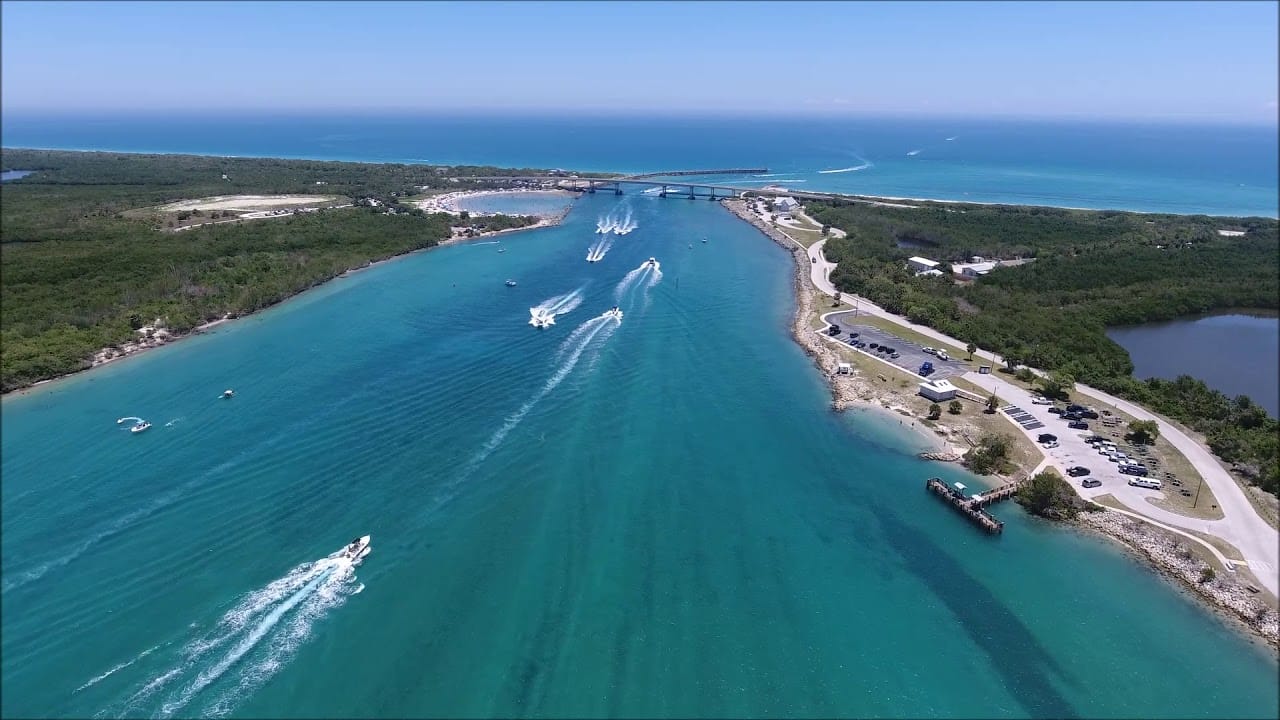
First Peak, the wave beside the north jetty at Sebastian Inlet State Park, is a crowded, powerful break meant for experienced surfers. Families get the most out of it as spectators. Beginners and kids do better on the gentler, lifeguarded beaches around Vero Beach, ideally with a lesson from a local surf school and a soft-top rental board, on days with small swell. Fall and winter usually bring the most consistent waves, and summer's smaller surf is often easier for first-timers.
Every season a guest asks us the same thing: "Can the kids surf Sebastian Inlet?" The honest answer is yes and no. Sebastian Inlet is one of the best-known surf spots on Florida's Atlantic coast, and the wave everyone talks about, First Peak, is a great one to watch. It is a bad place to learn.
The good news is that a first wave doesn't need a famous break. Here is how we send our own guests out: watch the experts at the inlet, learn somewhere gentler, and understand enough about swell, tide and etiquette to stay safe and welcome in the water.
What is First Peak, and why isn't it for beginners?
First Peak breaks right beside the north jetty of Sebastian Inlet. The jetty helps shape incoming swell into a steep, wedging peak that can be fast and hollow on good days. That's why experienced surfers drive a long way for it, and why the lineup gets crowded whenever waves show up.
For a beginner, everything that makes First Peak exciting also makes it risky. The wave breaks close to rocks and pilings. Inlet currents can be strong when the tide moves, and the lineup is packed with skilled locals who expect everyone to know the unwritten rules. On top of that, the north jetty is a busy fishing spot, so lines, hooks and baitfish are in the water nearby. A beginner who loses their board there can hurt themselves or someone else.
Watch First Peak from the jetty. Learn your first waves somewhere that forgives mistakes.
How can families watch the surfing at Sebastian Inlet?
Watching is a great way to spend an hour, especially on a morning with clean swell. From the north side of the park you can see the lineup from the beach and from the jetty walkway. Kids love following one surfer from the paddle to the takeoff to the ride. If you're making a full day of it, our family day at Sebastian Inlet State Park guide covers the calm cove, jetty fishing and how we pace the day with little ones.
- Go early. Wind is often lighter in the morning, and the surf tends to look cleaner.
- Stay well clear of people fishing on the jetty, and keep kids back from casting lines.
- Bring binoculars if you have them. The takeoff zone is closer than you'd think, but the details are worth seeing.
- Point out how surfers wait their turn. It's the best etiquette lesson your kids will get before they paddle out.
Which beaches near Vero Beach are better for beginners and kids?
Most of Vero Beach's barrier-island shoreline has beach-break waves that are softer and more forgiving than the inlet. On small days, the guarded public beaches along Ocean Drive and the parks up and down Orchid Island are where we point first-timers. Lifeguards, restrooms and easy parking matter more with kids than a famous name does. Our Vero Beach with kids guide lists the beach parks our own guests use most.
For a first session, look for these things:
- A lifeguard on duty and a green or yellow flag flying.
- Small, crumbling waves, roughly knee- to waist-high on an adult, that break gently instead of dumping.
- A sandy bottom with room to spread out away from swimmers and anyone fishing.
- Whitewater close enough to shore that kids can stand up and walk their board back out.
How do we book a surf lesson or rent a board?
For kids and adults who have never surfed, a lesson is worth it. Several surf schools work the beaches between Vero Beach and Sebastian, and surf shops in both towns rent boards. Hours, prices and age minimums change, so call ahead or book online a few days out, especially on holiday weekends and school breaks.
- Ask about instructors: Are they CPR and first-aid certified? What's the student-to-instructor ratio for kids?
- Ask about the spot: A good school picks the beach on the day of the lesson based on the conditions. It won't take beginners to the inlet.
- Rent a soft-top: A long, wide foam board is stable, floats well and is much kinder on shins and heads than a hard fiberglass board.
- Always use a leash: It keeps the board from washing away and hitting someone else.
- Bring a rash guard and reef-safe sunscreen: Waxed boards rub skin raw, and the Florida sun is strong even in winter.
How do swell, tide and season change the waves?
Florida's Atlantic waves depend on distant weather, so they come and go. Swell from the northeast or east, often from a passing cold front or a system offshore, is what wakes up Sebastian Inlet. Wind matters too. A light westerly (offshore) wind smooths the waves, and a strong onshore wind makes them choppy and messy.
| What to expect | Good for beginners? | |
|---|---|---|
| Fall | Often the most consistent swell of the year, with warm water | Yes on smaller days. Watch for big, storm-driven surf |
| Winter | Cold fronts bring north and northeast swell, and the water is cooler | Some days. A spring suit or wetsuit helps |
| Spring | A mix of small days and occasional swell | Often good, with mellower conditions |
| Summer | Frequently small or flat, with warm water | Often ideal for first-timers when there's any wave at all |
Tide changes the waves at every break here. On shallow sandbars, low tide can make waves steep and dumpy. A mid tide is often gentler for beginners. At the inlet itself, the moving tide creates strong currents along the jetty, which is one more reason to keep beginners away from it. Check a surf forecast and a tide chart the night before. If you're unsure, ask the surf shop when you pick up your rental.
What surf etiquette does a first-timer need to know?
Surf etiquette exists to keep people from getting hurt. Teach these rules before anyone paddles out:
- Don't drop in: The surfer closest to where the wave is breaking has the right of way. If someone is already riding, let the wave go.
- Paddle wide: Go around the area where people are riding, not through it.
- Hold on to your board: Never throw it aside to dive under a wave when people are behind you.
- Know your level: If the lineup is full of experienced surfers, find your own patch of whitewater.
- Apologize when you mess up: Everyone does at first. A quick "sorry" goes a long way.
What safety rules matter most for kids in the surf?
Rip currents are the biggest hazard for beginners on Florida's east coast. Teach kids to stay calm, hold on to their board (it floats), and paddle parallel to shore to get out of the current. Our beach safety field guide covers spotting rips and reading Florida's warning flags in more detail.
- Surf near a lifeguard, and check the flag before anyone gets in. Red means high hazard, double red means the water is closed, and purple means dangerous marine life.
- Avoid the water at dawn and dusk, in murky water, and near schools of baitfish or people fishing.
- Shuffle your feet in the shallows to warn stingrays you're coming.
- Keep an adult in the water or right at the water's edge with young kids the whole time.
- Get out when lightning is in the area, and wait a good while after the last thunder before going back in.
After a morning in the waves, it's nice to come back to a quiet home base where wet boards can dry and sandy kids can rinse off. Our Vero Oaks home in Vero Beach puts you within an easy drive of both the Ocean Drive beaches and Sebastian Inlet, so you can check the surf and choose your beach that morning.
Questions Our Guests Ask About Surfing Near Sebastian Inlet
Can kids surf at First Peak in Sebastian Inlet?
We don't recommend it for kids or any beginner. First Peak breaks next to a rock jetty, often has strong inlet currents, and draws a crowded lineup of experienced surfers. It's a great place to watch surfing, but first-timers should learn on a gentler, lifeguarded beach break.
What is the best time of year to surf near Vero Beach?
Fall and winter usually bring the most consistent swell, often from cold fronts or storms offshore. Summer is frequently small or flat, which can actually suit beginners on days with a little wave. Conditions change day to day, so check a surf forecast before you plan around them.
Do I need a lesson, or can we just rent a board?
Confident ocean swimmers can rent a soft-top and practice in small whitewater. For true first-timers, especially kids, a lesson is worth it. A good instructor chooses a safe spot for the day, teaches etiquette and rip-current awareness, and gets people standing up faster.
What kind of board should a beginner rent?
A long, wide soft-top (foam) board. It's stable and floats well, which makes catching waves easier, and it's far less likely to hurt anyone than a hard fiberglass board. Always use a leash.
Is it safe to swim near Sebastian Inlet's jetties?
Swimmers should stay well away from the jetties. The tide creates strong currents there, the rocks and pilings are a hazard, and the jetties are busy with people fishing. Families who want calm water should use the protected cove inside the park instead.

Travel DRD - Free Land Vacations — IATA certified, IATAN and ASTA members, hosting families since 2007. We manage every home in this collection ourselves.
Last updated: October 18, 2026